
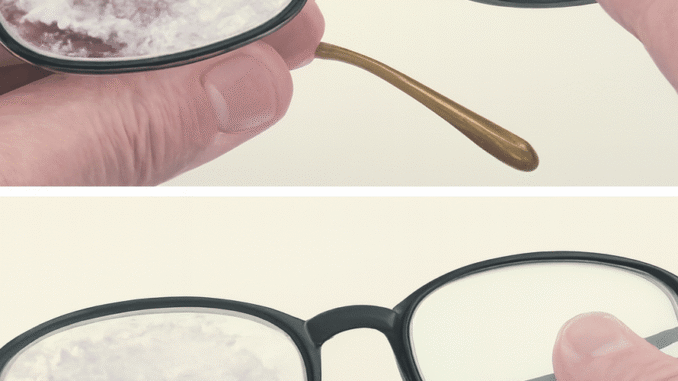
For people who wear glasses every day, dirty or foggy lenses can quickly become frustrating. Dust, fingerprints, skin oils, and everyday smudges can make it difficult to see clearly, especially when the lenses are not cleaned properly.
Many people reach for a shirt, tissue, or any piece of fabric nearby to wipe their glasses. Although this may remove some visible marks, it can also spread grease or scratch the lenses if small particles of dust are rubbed across the surface.
The good news is that cleaning glasses does not require expensive equipment. A few simple methods can help keep lenses clear while protecting their special coatings.
Before trying any cleaning method, however, it is important to consider the type of lenses you have. Prescription glasses, sunglasses, and lenses with anti-reflective or other protective coatings may have specific cleaning recommendations.
Here are four practical ways to clean your glasses safely.
1. Use a Special Glasses Cleaning Spray
One of the easiest ways to clean eyeglasses is to use a cleaning spray specifically designed for optical lenses.
These products are available from opticians and other retailers that sell eyewear. They are formulated to remove common marks, including fingerprints, dust, and oily residue, without unnecessarily damaging compatible lens coatings.
How to use it:
- Check that the spray is suitable for your particular lenses.
- Follow the instructions on the product label.
- Apply the recommended amount to the lenses.
- Gently wipe both sides using a clean microfiber cloth.
- Check the lenses for remaining marks and repeat if necessary.
Avoid using household window cleaners or general-purpose cleaning sprays. Some contain chemicals that can damage protective lens coatings.
It is also important to keep your microfiber cloth clean. A cloth that has collected dust, grease, or dirt may leave additional marks rather than remove them.
2. Clean Your Glasses With Dish Soap and Water
A simple combination of mild dishwashing liquid and lukewarm water is often one of the most effective ways to remove everyday dirt and oily fingerprints.
This method is particularly useful when lenses have accumulated more than a few light smudges.
How to do it properly:
- Wash your hands before handling your glasses.
- Rinse the lenses and frames under lukewarm running water to remove loose dust and particles.
- Apply a tiny drop of mild, lotion-free dish soap to your fingertips.
- Gently clean both sides of the lenses.
- Carefully wash the nose pads, bridge, and frame, where oil and dirt can collect.
- Rinse thoroughly until no soap remains.
- Gently dry the glasses with a clean microfiber cloth.
Avoid using hot water because excessive heat can damage certain lens coatings and frame materials.
If you are in a hurry, do not rub your glasses with a paper towel or tissue. Many paper products contain fibers that can scratch delicate lens surfaces. A clean microfiber cloth is a much safer choice.
3. Avoid Using Toothpaste to Clean Your Lenses
Toothpaste is sometimes promoted online as a homemade solution for cleaning glasses or removing scratches. However, this is a method worth avoiding.
Many toothpastes contain mild abrasives designed to help clean tooth surfaces. These particles can scratch eyeglass lenses or damage special coatings, including anti-reflective treatments.
Even if the lenses initially appear cleaner, rubbing toothpaste over them may cause permanent damage.
Toothpaste cannot reliably repair scratches in prescription lenses. Once a lens coating has been damaged, cleaning products cannot restore it.
If your glasses have visible scratches, ask an optician whether the lenses need to be replaced. Continuing to use abrasive cleaning methods may make the problem worse.
4. Make a Simple Lens-Cleaning Solution
If you prefer to prepare a cleaning solution at home, you can use a simple mixture of water and mild dish soap.
What you need:
- Distilled water
- A small amount of mild, lotion-free dish soap
- A clean spray bottle
- A microfiber cloth
Preparation and use:
- Fill a clean spray bottle with distilled water.
- Add a very small amount of mild dish soap.
- Mix gently.
- Apply a small amount to the lenses when needed.
- Wipe carefully with a clean microfiber cloth.
Use the solution sparingly and make sure it is suitable for your lenses. If you are unsure whether a homemade mixture is compatible with a particular coating, use a cleaning product recommended by your optician instead.
Never add vinegar, alcohol, ammonia, or other household chemicals to a homemade lens cleaner unless the lens manufacturer specifically approves them.
How to Clean Sunglasses Without Damaging Them
Sunglasses also need regular cleaning, particularly because they are frequently exposed to outdoor dust, sweat, sunscreen, and fingerprints.
Some sunglasses have specialized coatings, such as anti-reflective, mirrored, or polarized treatments. These features make it especially important to follow the manufacturer’s cleaning instructions.
A safe cleaning routine is simple:
- Rinse away loose dust before wiping.
- Use lukewarm water and mild dish soap when appropriate.
- Avoid rough fabrics and paper towels.
- Dry with a clean microfiber cloth.
- Store sunglasses in a protective case when they are not being worn.
Polarized lenses should receive the same careful treatment. Avoid abrasive products that could damage their coatings or surface.
Common Cleaning Mistakes to Avoid
Even people who clean their glasses every day can accidentally damage them by using unsuitable materials or products.
Here are some habits worth changing:
Wiping lenses with clothing: Shirts and sweaters may contain dust, dirt, or rough fibers that can scratch lenses.
Using paper towels or tissues: These products are not designed for delicate optical surfaces and may leave scratches or fibers behind.
Cleaning with household glass cleaner: Window-cleaning products may contain ammonia or other chemicals that damage lens coatings.
Using hot water: High temperatures can affect certain lens treatments and plastic frames.
Rubbing lenses when they are dusty: Small particles can become trapped between the cloth and lens, creating scratches.
Leaving glasses in direct sunlight inside a car: Excessive heat can damage some lens coatings and frames.
Using dirty microfiber cloths: A cloth that has collected dust and oils may spread dirt across the lenses.
Avoiding these mistakes can help extend the useful life of your glasses.
How to Prevent Glasses From Getting Dirty So Quickly
Cleaning your glasses is important, but a few everyday habits can reduce how frequently they need attention.
- Hold your glasses by the frame rather than touching the lenses.
- Store them in a protective case when not in use.
- Keep a clean microfiber cloth available.
- Avoid placing glasses lens-side down on tables or desks.
- Clean nose pads and frames regularly because they collect skin oils and sweat.
- Keep glasses away from cosmetics, hairspray, and cleaning chemicals.
- Avoid leaving them in places where they can be crushed or exposed to excessive heat.
If your glasses frequently fog up when moving between cold and warm environments or while wearing a face covering, consider asking an optician about compatible anti-fog products. Ordinary lens-cleaning sprays do not necessarily prevent fogging.
Clear Lenses Make Everyday Life More Comfortable
Keeping glasses clean is a small habit that can make a noticeable difference in everyday comfort. Clear lenses help you see without unnecessary smudges, while proper cleaning protects the surfaces and coatings that make your eyewear effective.
The safest routine is usually straightforward: rinse away dust, use mild soap and lukewarm water when appropriate, and dry with a clean microfiber cloth.
Avoid toothpaste, abrasive materials, and unsuitable household chemicals, even when they are presented as quick homemade solutions.
With a little care and the right cleaning products, both prescription glasses and sunglasses can remain clearer, cleaner, and in better condition for longer.
Leave a Reply