
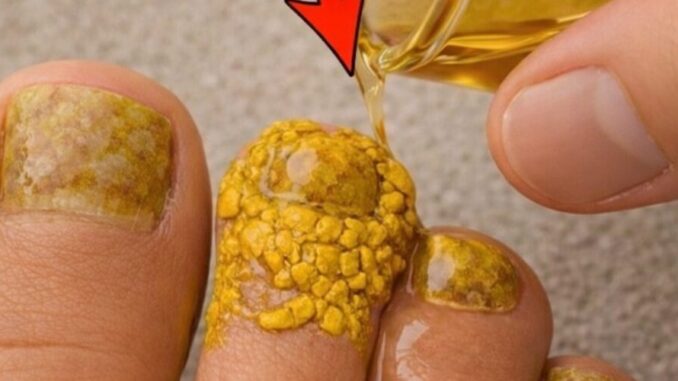
Nail fungus is a common condition that can affect both fingernails and toenails. It often develops gradually, causing nails to become discolored, thickened, brittle, or difficult to trim. In some cases, the nail may separate from the skin underneath or develop an unpleasant appearance.
Because these changes usually happen slowly, people sometimes ignore them or try different home remedies before seeking medical advice. Baking soda, apple cider vinegar, and olive oil are among the household ingredients commonly mentioned as possible ways to care for affected nails.
However, it is important to understand the difference between supporting nail hygiene and actually treating a fungal infection. Although some household ingredients have properties that may be useful in other situations, there is not enough reliable clinical evidence to show that a mixture of baking soda, vinegar, olive oil, and toothpaste can cure nail fungus.
Understanding the condition and choosing an appropriate treatment can help prevent it from becoming more difficult to manage.
What Causes Nail Fungus?
Nail fungus, medically known as onychomycosis, occurs when fungi infect the nail or the tissue beneath it. The infection can affect one nail or several, and toenails are more frequently affected than fingernails.
Fungi grow particularly well in warm, damp environments. This is one reason why toenail infections are often associated with sweaty feet, tight footwear, and shoes that do not allow enough ventilation.
Several factors can increase the likelihood of developing a fungal nail infection, including:
- Walking barefoot in shared showers, changing rooms, or swimming pool areas
- Wearing damp socks or shoes for extended periods
- Having sweaty feet
- Sharing nail clippers, files, or other personal grooming tools
- Having athlete’s foot, which can spread to the toenails
- Having damaged nails or repeated nail injuries
- Having certain health conditions that affect circulation or immunity
Age can also be a factor because nails often become more vulnerable to fungal infections over time.
Recognizing the Signs of Nail Fungus
A fungal infection does not always look the same. Some people notice only a small discoloration, while others experience more noticeable changes.
Common signs include:
- Yellow, white, brown, or occasionally greenish discoloration
- Nails that become thicker than usual
- Brittle, crumbly, or uneven nail edges
- Changes in the normal shape of the nail
- A nail that begins separating from the nail bed
- Debris collecting underneath the nail
These symptoms do not automatically mean that fungus is responsible. Nail injuries, psoriasis, eczema, and other conditions can produce similar changes.
For this reason, a healthcare professional may need to examine the nail or take a small sample for laboratory testing before recommending treatment.
Can Baking Soda and Apple Cider Vinegar Help?
Baking soda and apple cider vinegar are frequently discussed as inexpensive home options for people concerned about nail fungus.
Baking soda is commonly used for household cleaning and odor control. Apple cider vinegar contains acetic acid, which has demonstrated antimicrobial activity in certain laboratory settings.
However, laboratory findings do not necessarily mean that an ingredient can successfully treat an infection inside a human nail. Nail fungus can penetrate the nail plate, making it difficult for substances applied to the surface to reach the affected area.
There is currently no strong clinical evidence that applying baking soda and apple cider vinegar to infected nails eliminates the fungus.
Vinegar can also irritate the surrounding skin, especially when used frequently or in concentrated form. Baking soda and other household ingredients may cause dryness or irritation in some individuals.
What About Olive Oil and Toothpaste?
Olive oil is sometimes included in homemade nail-care mixtures because it can help soften dry skin. However, moisturizing the surrounding skin is not the same as treating a fungal infection.
Toothpaste is designed for cleaning teeth, not treating infections in nails. Its ingredients vary between products, and some formulations contain substances that may irritate sensitive skin.
Combining toothpaste, vinegar, baking soda, and oil does not create a medically established antifungal treatment.
If someone chooses to use household products for general cleaning or skin care, they should avoid applying irritating mixtures to broken skin or areas that are already inflamed. They should also stop immediately if burning, redness, or discomfort develops.
Medically Recognized Treatments for Nail Fungus
Several treatments are available, and the most appropriate choice depends on the severity of the infection, the number of affected nails, and a person’s general health.
1. Antifungal nail treatments
Some antifungal medications are applied directly to the affected nail. Depending on the product and the infection, treatment may involve a medicated lacquer or another prescription preparation.
These treatments are generally more suitable for certain mild or limited infections. They must be used according to the instructions, often for several months.
2. Oral antifungal medication
For more extensive or persistent infections, a healthcare professional may recommend antifungal tablets.
These medications work throughout the body and can be more effective for some types of nail fungus. However, they are not appropriate for everyone. Certain medicines can interact with other prescriptions and may require blood tests or other monitoring.
A doctor should assess the benefits and risks before treatment begins.
3. Professional nail care
A healthcare professional may carefully trim or reduce a thickened nail to make it easier to manage and improve comfort.
This does not necessarily eliminate the infection, but it can be useful alongside appropriate antifungal treatment.
4. Treatment of athlete’s foot
If fungal skin infection is also present, it may need treatment. Leaving athlete’s foot untreated can increase the possibility of reinfection or spread to other nails.
Why Nail Fungus Takes So Long to Disappear
One of the most frustrating aspects of nail fungus is how slowly nails grow.
Even when treatment successfully controls the infection, the damaged portion of the nail does not immediately return to normal. It must gradually grow out and be replaced by healthy nail.
Toenails grow particularly slowly, so visible improvement may take many months. In some cases, a toenail can require a year or longer to grow out completely.
This is why it is important not to judge treatment success after only a few days. Following the recommended treatment schedule and attending medical follow-ups can help determine whether the infection is improving.
Daily Habits That Help Protect Your Nails
Good nail hygiene cannot replace antifungal medication when an infection is present, but it can reduce the risk of spreading fungus and developing another infection.
Consider the following habits:
Keep feet clean and dry. Wash your feet regularly and dry carefully between the toes, where moisture can collect.
Change socks frequently. Replace damp socks as soon as practical, especially after exercise or activities that cause sweating.
Choose breathable footwear. Shoes with enough room and ventilation can help reduce excessive moisture.
Avoid walking barefoot in shared wet areas. Wear suitable sandals or protective footwear in communal showers, changing rooms, and swimming pool areas.
Do not share nail tools. Nail clippers, files, and other grooming equipment should be kept personal and cleaned appropriately.
Trim nails carefully. Keep nails at a manageable length and avoid cutting them too deeply or damaging the surrounding skin.
Treat skin infections promptly. If you notice peeling, itching, or cracking between your toes, ask a pharmacist or healthcare professional about appropriate treatment.
Allow shoes to dry. Avoid wearing the same damp footwear repeatedly, and give shoes time to dry between uses.
When Should You See a Doctor?
A medical assessment is particularly important if the nail becomes painful, swollen, or increasingly damaged.
You should also seek professional advice if the infection spreads, affects several nails, or does not improve with appropriate treatment.
People with diabetes, reduced circulation, or weakened immune systems should be especially careful about changes in their feet and nails. Even a small injury can become more serious in these circumstances.
If the skin around the nail becomes red, warm, swollen, or begins producing discharge, medical attention is recommended.
A professional diagnosis is valuable because treating a condition that only looks like nail fungus with antifungal medication may not solve the underlying problem.
A Practical Approach to Healthier Nails
Household ingredients such as baking soda, vinegar, and olive oil are often promoted online as inexpensive solutions for nail fungus. While some may have limited uses in general household or personal care, they should not be considered proven cures.
The most reliable approach is to identify the cause of the nail changes, use an appropriate antifungal treatment when necessary, and maintain good hygiene throughout recovery.
Nail fungus can take time to treat, but patience and consistent care can make a difference. Rather than relying on mixtures that have not been clinically established, choosing evidence-based treatment and protecting the nails from further infection offers a safer path toward healthier-looking nails.
Leave a Reply