
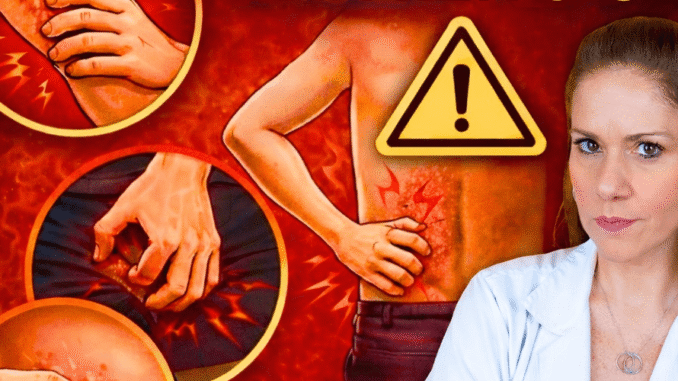
Itching is one of the most common skin complaints. Almost everyone experiences it occasionally, whether because of dry skin, an insect bite, sweating, allergies, or irritation from a personal care product.
In most cases, the discomfort is temporary and improves with simple care. However, itching that lasts for a long time, repeatedly returns, or appears without an obvious skin-related explanation deserves closer attention.
Sometimes, persistent itching can be associated with conditions affecting organs or systems beyond the skin. The location of the discomfort, how long it lasts, and whether other symptoms appear can help a healthcare professional identify the possible cause.
Three areas worth paying attention to are the palms and soles, the anal or genital region, and the skin across the body. None of these symptoms automatically indicates a serious illness, but certain patterns should not be ignored.
1. Itching on the Palms of the Hands and Soles of the Feet
Itching on the hands and feet can have several ordinary explanations. Dry skin, contact allergies, eczema, sweating, and irritation from soaps or detergents are common possibilities.
However, persistent itching on the palms and soles without an obvious rash can sometimes be associated with a liver or bile-related condition.
The liver produces bile, which helps the body digest fats. Bile normally travels through a system of small ducts before reaching the digestive tract. When bile flow becomes impaired, a condition known as cholestasis, substances associated with bile can accumulate in the bloodstream and contribute to itching.
This type of itching may be particularly noticeable at night and can sometimes occur without visible skin changes.
Other symptoms that may accompany liver-related problems include:
- Unusual tiredness or weakness
- Dark-colored urine
- Pale or unusually light-colored stools
- Yellowing of the skin or whites of the eyes
- Discomfort in the upper right side of the abdomen
- Nausea or reduced appetite
It is important to remember that these symptoms can have different causes. Itching on the palms or soles alone does not establish that someone has liver disease.
When to seek medical advice: If the itching is persistent, intense, or unexplained, arrange an appointment with a healthcare professional. Blood tests that assess liver function and other investigations may be recommended depending on the symptoms.
Yellowing of the eyes or skin, especially when accompanied by dark urine or pale stools, requires prompt medical assessment.
An important exception involves pregnancy. New or intense itching, particularly on the palms and soles without a rash, should be reported promptly to a maternity healthcare professional. It can sometimes be a symptom of a pregnancy-related liver condition called intrahepatic cholestasis of pregnancy, which needs medical evaluation.
2. Persistent Itching Around the Anal or Genital Area
Itching in intimate areas can be uncomfortable and embarrassing to discuss, but it is a common problem. Many causes are treatable, and there is no reason to delay seeking help because of embarrassment.
The skin in these areas is sensitive and can react to moisture, friction, soaps, detergents, and personal care products. Infections and other medical conditions can also cause irritation.
Possible causes include:
- Contact dermatitis from soaps, wipes, or scented products
- Fungal infections, including certain yeast infections
- Hemorrhoids and irritation around the anus
- Eczema or other inflammatory skin conditions
- Excessive moisture or sweating
- Some sexually transmitted infections
- Pinworms, particularly when anal itching is worse at night in children
The symptoms can differ depending on the cause. Some people experience redness, swelling, or a rash, while others notice itching without obvious changes to the skin.
Persistent symptoms should not automatically be attributed to poor hygiene. In fact, excessive washing or using strongly scented products can make irritation worse.
When to seek medical advice: Consult a healthcare professional if the itching lasts for several weeks, repeatedly returns, or does not improve with gentle skin care.
An examination is especially important if itching is accompanied by pain, bleeding, unusual discharge, sores, lumps, or changes in the skin.
In uncommon cases, persistent itching or changes in the anal or genital area can be associated with more serious conditions, including certain cancers. However, most cases are caused by much more common problems, and itching alone is not a reliable sign of cancer.
Getting the correct diagnosis is more useful than trying multiple creams without knowing what is causing the discomfort.
3. Generalized Itching Across the Body Without a Visible Rash
Sometimes itching affects several areas of the body rather than one specific location. A person may feel the need to scratch their arms, legs, back, stomach, or other areas even though the skin appears relatively normal.
This is known as generalized pruritus.
Dry skin is one of the most common explanations, particularly in older adults or during colder months. Other possible causes include medication reactions, allergies, and certain systemic health conditions.
When itching is widespread and persistent without an obvious skin explanation, healthcare professionals may consider whether an internal condition is contributing to the symptoms.
Possible underlying causes include:
Kidney disease: Advanced chronic kidney disease can cause persistent itching. The exact mechanisms are complex and may involve inflammation, changes in mineral balance, and other effects associated with impaired kidney function.
Liver and bile disorders: Conditions that interfere with normal bile flow can cause widespread itching, sometimes without a visible rash.
Blood disorders: Certain blood conditions, including iron deficiency and some disorders involving blood cells, can be associated with itching.
Hormonal and metabolic conditions: Thyroid disorders and diabetes may sometimes contribute to skin discomfort or itching.
Medication reactions: Some prescription medicines can cause itching as a side effect, sometimes with a rash and sometimes without one.
Other symptoms can provide useful clues. Swelling, unusual fatigue, changes in urination, unexplained weight loss, fever, or night sweats should be discussed with a healthcare professional.
It is worth emphasizing that early kidney disease often produces no noticeable symptoms. Itching alone cannot diagnose a kidney problem, and people should not assume that they have kidney disease simply because their skin feels uncomfortable.
When to seek medical advice: If itching affects much of the body, continues without an obvious cause, or interferes with sleep and daily activities, arrange a medical evaluation. Depending on the situation, a clinician may recommend blood tests, urine tests, or a skin examination.
Other Reasons Why Itching May Continue
The three areas described above are not the only situations worth considering. Persistent itching can have many explanations, and sometimes more than one factor is involved.
Other possible causes include:
- Dry skin: A weakened skin barrier can cause itching, tightness, and flaking.
- Allergies: Reactions to foods, medicines, cosmetics, or environmental substances can produce itching.
- Eczema and psoriasis: These inflammatory skin conditions can cause recurring irritation.
- Iron deficiency: Some people with low iron levels experience unexplained itching.
- Thyroid disorders: Changes in thyroid function can affect the skin.
- Infections: Certain bacterial, fungal, or parasitic infections can cause localized or widespread itching.
- Medication side effects: Some antibiotics, opioids, and other medicines can cause itching in certain individuals.
If symptoms begin shortly after starting a new medication, contact the prescribing healthcare professional. Do not stop a prescribed treatment or change the dose without medical guidance.
How to Care for Itchy Skin at Home
When itching is mild and there are no concerning symptoms, a few simple habits may help reduce irritation.
1. Use gentle skincare products. Choose fragrance-free soaps, cleansers, and moisturizers when possible. Strongly scented products can irritate sensitive skin.
2. Apply moisturizer regularly. A simple fragrance-free cream or ointment can help protect the skin barrier, particularly after bathing.
3. Avoid very hot showers. Hot water can remove natural oils from the skin and make dryness worse. Lukewarm water is usually a better choice.
4. Wear comfortable clothing. Loose clothing made from breathable fabrics can reduce friction and irritation.
5. Keep fingernails short. Scratching can damage the skin and increase the risk of infection. A cool compress may help calm the urge to scratch.
6. Pay attention to new products. If itching begins after changing laundry detergent, body wash, cosmetics, or another product, consider whether irritation may be involved.
7. Avoid self-medicating repeatedly. Different causes of itching require different treatments. Using antifungal creams, steroid creams, or other medications without knowing the cause may delay appropriate care.
When Is It Important to Get Medical Help?
Not every episode of itching requires a medical appointment. Temporary irritation that improves quickly is often not a cause for concern.
However, professional advice is recommended when itching:
- Persists for more than a couple of weeks
- Becomes severe or interferes with sleep
- Affects most of the body
- Occurs without an identifiable skin-related cause
- Repeatedly returns after treatment
- Is accompanied by unexplained weight loss, fever, or unusual fatigue
- Appears together with changes in urine, stool, or skin color
Seek urgent medical attention if itching occurs alongside signs of a severe allergic reaction, such as difficulty breathing, swelling of the tongue or throat, or faintness.
Listen to Persistent Symptoms Without Assuming the Worst
Itching is usually caused by common conditions such as dry skin, irritation, allergies, or infections. Nevertheless, persistent itching can sometimes provide an early clue that something else is affecting the body.
Paying attention to where the itching occurs, how long it lasts, and whether additional symptoms appear can help make a medical evaluation more useful.
The most important lesson is not to panic whenever your skin feels itchy, but not to ignore symptoms that continue without explanation. Gentle skincare may help with ordinary irritation, while persistent or unusual symptoms deserve professional assessment.
Finding the underlying cause is the best way to choose an effective treatment and protect your overall health.
Leave a Reply