
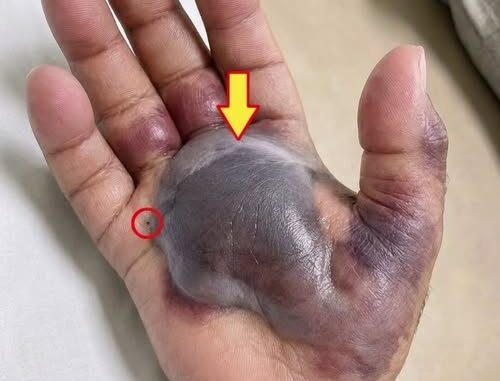
The human skin is an extraordinary organ that serves as the first line of defense against environmental threats. It protects us from bacteria, viruses, and physical harm, working silently and continuously without conscious effort. However, even the smallest break in the skin’s surface, such as a tiny cut or a prick from a thorn, can open the door to potential health issues if not properly managed.
Understanding the Importance of Skin Care
When the skin is injured, it compromises the protective barrier that keeps harmful microorganisms out. While minor wounds might seem trivial, neglecting proper care can lead to infections that may require medical intervention. This highlights the importance of treating even small injuries thoughtfully and attentively.
A simple routine involving cleaning the wound with soap and water, applying a sterile dressing, and monitoring the area daily can significantly reduce the risk of infection. This approach not only aids in faster healing but also prevents complications that might arise from untreated wounds.
Recognizing Warning Signs of Infection
One of the challenges in managing minor injuries is identifying when a wound is becoming infected. It’s not always the size or appearance of the wound that indicates a problem but how it changes over time. Key signs to watch for include redness that spreads beyond the injury site, increasing pain rather than improvement, swelling, warmth around the area, and systemic symptoms such as fever or chills.
These changes suggest that the body is mounting an immune response to invading pathogens, and the infection may be progressing. Ignoring these signals or assuming they will resolve on their own can lead to more serious health concerns.
When to Seek Medical Advice
Deciding when to consult a healthcare professional can sometimes be unclear, especially with minor wounds. However, it is always better to err on the side of caution. If you notice any of the warning signs mentioned or if the wound does not show signs of healing within a few days, seeking medical advice is recommended.
Medical professionals can provide appropriate treatment, which may include antibiotics or other interventions to prevent the infection from worsening. Early consultation can reduce the risk of complications and promote better recovery outcomes.
The Role of Daily Monitoring
Consistent observation of a wound is essential in the healing process. Daily checks allow you to detect subtle changes early and respond appropriately. Keeping the wound clean and dry, changing dressings as needed, and avoiding irritants can support skin regeneration.
Additionally, maintaining good overall hygiene and a healthy lifestyle can enhance the body’s ability to heal and fight infections. Nutritional support, adequate hydration, and avoiding smoking are all factors that contribute positively to skin health.
Common Misconceptions About Minor Wounds
Many people underestimate the potential severity of small injuries. The belief that minor wounds will heal without any care often leads to inadequate treatment. This mindset can increase the risk of infections, delayed healing, and scarring.
It’s important to recognize that the skin’s protective function is vital for overall health. Respecting this role by providing proper care and attention to wounds, regardless of their size, is a responsible approach to personal health management.
Preventive Measures to Protect Your Skin
Preventing skin injuries is the best way to avoid complications. Wearing appropriate protective gear during activities, handling sharp objects carefully, and maintaining a clean environment can reduce the likelihood of cuts, scrapes, and punctures.
In situations where exposure to plants or animals is common, being mindful of potential hazards, such as thorns or bites, is crucial. Promptly addressing any injury sustained in these contexts helps maintain skin integrity and prevents infections.
Conclusion: Prioritizing Skin Health
The skin is more than just an outer covering; it is a dynamic organ essential for our well-being. Treating skin injuries with care, recognizing the signs of infection, and seeking timely medical advice are important practices that contribute to maintaining overall health.
By adopting attentive wound care habits and respecting the signals our body sends, we can minimize risks and promote effective healing. Remember, even the smallest injury deserves attention to ensure it does not develop into a more significant health concern.
The Science Behind Skin Healing
Understanding the biological process that occurs when the skin is injured can offer valuable insight into why proper care is essential. Skin healing involves multiple stages: hemostasis, inflammation, proliferation, and remodeling. Immediately after injury, the body works to stop bleeding through clot formation. This is followed by inflammation, where immune cells remove debris and fight pathogens. Next, new tissue forms to replace the damaged area during proliferation. Finally, the skin strengthens and remodels over time to restore its protective function.
Each of these stages requires an optimal environment to proceed smoothly. Factors such as cleanliness, moisture balance, and protection from further injury support efficient healing. Disruptions in these factors can prolong healing time and increase the risk of infection or scarring.
Understanding this process can motivate individuals to adopt careful wound care practices that align with the body’s natural healing mechanisms.
The Impact of Chronic Conditions on Skin Injury and Healing
Certain chronic health conditions can affect the skin’s ability to heal properly. For example, diabetes can impair circulation and immune response, making wounds more prone to infection and slower to heal. Similarly, conditions like eczema or psoriasis can compromise skin integrity and increase vulnerability to injury.
Individuals with these conditions should be particularly vigilant in managing skin injuries. Regular monitoring, prompt cleaning, and consulting healthcare providers early can prevent complications. Additionally, managing the underlying condition effectively contributes to better skin health and healing outcomes.
The Role of Immunity in Skin Protection
The skin is a critical component of the body’s immune system. It acts as a physical barrier and hosts specialized cells that detect and respond to pathogens. When the skin is breached, these immune defenses activate to prevent infection.
However, when the immune system is weakened—due to illness, medications, or age—skin injuries may become more serious. Recognizing the interplay between immunity and skin health highlights why some individuals require extra caution and medical care when dealing with wounds.
Wound Care in Different Age Groups
Age can influence how the skin responds to injury and heals. In children, skin tends to heal quickly, but the risk of infection remains if wounds are not cared for properly. In older adults, skin becomes thinner and less elastic, making it more susceptible to injury and slower healing.
Tailoring wound care approaches to different age groups is important. For example, gentle cleaning and protective dressings are essential for sensitive skin in the elderly. Educating caregivers and family members about proper wound care can improve outcomes across all ages.
Environmental Factors Affecting Skin Injuries
External environmental conditions can impact skin health and wound healing. Exposure to extreme temperatures, pollutants, or harsh chemicals can weaken the skin’s defenses. For instance, cold weather may dry out the skin, increasing the risk of cracks and injury. Similarly, ultraviolet (UV) radiation from the sun can damage skin cells and delay healing.
Taking environmental factors into account when caring for skin injuries involves protecting the wound from further harm. Using appropriate clothing, avoiding irritants, and maintaining hydration support the healing process.
Psychological Aspects of Wound Care
Dealing with skin injuries, even minor ones, can have psychological effects. Pain, discomfort, and concerns about appearance may cause stress or anxiety. Understanding these emotional responses is important for holistic care.
Patients should be encouraged to communicate openly about their concerns and seek support if needed. Healthcare providers can offer reassurance and guidance, emphasizing the importance of wound care and the body’s ability to heal. Positive psychological well-being can contribute to better physical recovery.
The Importance of Education and Awareness
Public knowledge about proper wound care remains inconsistent. Misconceptions and lack of awareness can lead to inadequate treatment and preventable complications. Promoting education on skin injury management through community programs, healthcare settings, and media can empower individuals to take responsible actions.
Educational efforts should focus on practical guidance, recognizing warning signs, and knowing when to seek professional help. Encouraging proactive attitudes towards skin health can reduce the burden of skin-related infections and improve overall well-being.
Technological Advances in Wound Care
Recent developments in medical technology have introduced innovative solutions for wound management. Advanced dressings that maintain optimal moisture levels, antimicrobial materials, and digital tools for monitoring wound progress are examples.
While these technologies primarily benefit clinical settings, some are becoming accessible for home use. Staying informed about such options can help individuals and caregivers make better decisions about wound care.
However, it is important to balance technology use with fundamental care principles like cleanliness and observation.
The Legacy of Skin Care in Medicine
Skin care has been a fundamental aspect of medicine throughout history. From ancient remedies to modern clinical practices, the importance of protecting and healing the skin reflects a long-standing recognition of its vital role.
Understanding this legacy can inspire respect for the skin and encourage careful attention to injuries. It also underscores the continuous evolution of knowledge and techniques aimed at preserving skin health.
Reader Takeaways
- Even small skin injuries require attentive care to prevent infection and promote healing.
- Recognizing changes in a wound’s appearance or symptoms is crucial for timely medical intervention.
- Chronic conditions, age, and environmental factors influence how the skin heals and should guide wound care practices.
- Psychological well-being and education play important roles in effective wound management.
- Advances in technology offer new tools, but foundational care remains essential.
By integrating these insights into daily life, readers can enhance their understanding of skin health and improve outcomes when injuries occur.
Understanding the Role of Nutrition in Skin Health
Nutrition plays a significant role in maintaining healthy skin and supporting the wound healing process. Essential nutrients such as proteins, vitamins (especially vitamin C and A), minerals like zinc, and adequate hydration contribute to the skin’s ability to repair itself effectively. Protein provides the building blocks for new tissue growth, vitamin C supports collagen synthesis, and zinc is involved in immune function and inflammation control.
A balanced diet rich in fruits, vegetables, lean proteins, and whole grains can enhance skin resilience and recovery. Conversely, poor nutrition can delay healing and increase susceptibility to infections. Individuals recovering from skin injuries should aim to maintain good nutritional status to support optimal healing outcomes.
The Importance of Safe Practices in Wound Management
Practicing safe wound care is essential to prevent complications and promote healing. This includes using clean hands when handling wounds, avoiding the use of potentially harmful substances on the skin (such as harsh chemicals or unapproved topical agents), and properly disposing of used dressings to reduce contamination risks.
Additionally, understanding how to use wound care products appropriately—such as selecting the right type of dressing for the wound’s stage and condition—helps create an environment conducive to healing. When in doubt, consulting healthcare professionals for guidance ensures that wound management is both safe and effective.
Cultural Perspectives on Skin and Wound Care
Different cultures have unique approaches and traditional practices related to skin care and wound healing. These methods can include herbal remedies, natural poultices, or specific cleansing rituals. While some traditional treatments may offer benefits, it is important to evaluate them critically and consider modern medical advice, especially when wounds show signs of infection or do not heal as expected.
Respecting cultural practices while promoting evidence-based care can foster better communication between patients and healthcare providers. Awareness of these perspectives can also enhance public health initiatives aimed at improving wound care education across diverse communities.
The Economic Impact of Skin Injuries
Skin injuries, even minor ones, can have economic implications for individuals and healthcare systems. Costs may arise from medical consultations, treatments, medications, and potential time off work due to infection or delayed healing. Preventive measures and proper wound care can reduce these costs by minimizing complications.
Investing in public education about skin injury prevention and management can yield long-term economic benefits by decreasing the incidence of avoidable infections and reducing the burden on healthcare resources.
Training and Careers in Wound Care
Wound care is a specialized field within healthcare that involves professionals trained in assessing, managing, and treating various types of wounds. This includes nurses, physicians, and therapists who focus on promoting healing and preventing complications.
For those interested in pursuing a career in wound care, education typically involves understanding skin anatomy, pathology, infection control, and the use of advanced treatment modalities. Continuous professional development is important as new technologies and research emerge.
Public awareness of wound care professionals can encourage timely consultation and improve patient outcomes.
The Future of Skin Injury Management
Advances in medical research continue to improve understanding of skin biology and wound healing. Emerging therapies, such as stem cell treatments, bioengineered skin substitutes, and personalized medicine approaches, hold promise for enhancing recovery, especially in complex or chronic wounds.
While these innovations are still under development or limited to specialized settings, they underscore the dynamic nature of wound care science. Keeping informed about new developments can empower patients and caregivers to engage in informed discussions with healthcare providers.
Summary and Practical Advice
Skin injuries, regardless of their size, have the potential to impact overall health if not managed properly. Key practical steps include:
- Promptly cleaning wounds with mild soap and water.
- Using appropriate dressings to protect the area.
- Monitoring for changes such as increased redness, pain, swelling, or fever.
- Seeking medical advice when warning signs arise or healing is delayed.
- Supporting skin health through good nutrition, hydration, and hygiene.
- Being mindful of environmental and personal risk factors.
- Respecting cultural practices while prioritizing evidence-based care.
By incorporating these practices and maintaining an informed approach to skin health, individuals can reduce risks associated with skin injuries and promote effective healing. The skin is a vital organ deserving of attention and care to maintain its protective role and contribute to overall well-being.
Leave a Reply