
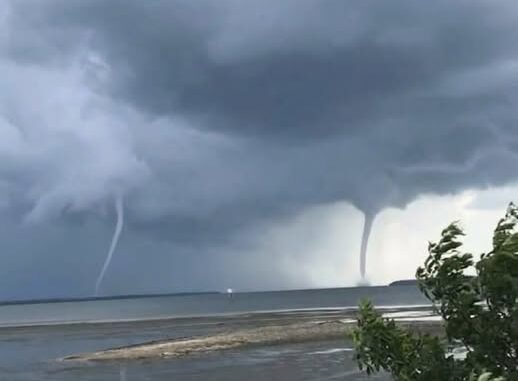
Coastal regions have long been places of both livelihood and vulnerability, where the boundary between land and sea defines not only geography but experience. When unforeseen challenges arise—whether natural disasters, maritime accidents, or other emergencies—the familiar rhythms of life along the shore can be abruptly disrupted. The transition from day to night often marks a poignant shift in atmosphere, as the once lively docks fall silent and the community braces for what the darkness may bring.
In the face of such uncertainty, the sounds that typically characterize a busy waterfront—the hum of engines, the calls of fishermen, the creaking of boats—fade away. Instead, the ocean’s persistent presence becomes more pronounced, with waves crashing against piers and the occasional cracking of ropes under strain. This silence is heavy with anticipation and anxiety, as those on land await news of loved ones and watch for any sign of returning vessels.
Emergency response centers, often set up near the waterfront or in community hubs, become focal points during these times. Staffed by dedicated personnel who work tirelessly, these centers rely on communication technology, monitoring equipment, and coordination efforts to manage the crisis. The tension is palpable, but so is the determination. Every alert, every signal detected offshore is scrutinized for hope, even as exhaustion begins to show on the faces of responders.
Amid the uncertainty, community spirit often shines brightest. Neighbors open their homes and doors to those displaced or waiting anxiously for news. Sharing of resources such as food, warm beverages, and charging devices for communication tools becomes commonplace. These acts of kindness foster a sense of solidarity and provide emotional sustenance alongside physical support.
The shoreline, in such moments, becomes a meeting place for collective resilience. People exchange stories—not only of fear but also of hope and perseverance. This shared experience helps to build a fragile but vital hope, grounded in the simple human will to endure and support one another.
Understanding the dynamics of coastal emergencies involves recognizing both the natural challenges posed by the sea and the social responses they inspire. The ocean’s unpredictability can bring hardship, but it also highlights the strength found in community bonds. Effective emergency preparedness includes not only technical measures but also fostering connections and trust among residents.
Reflecting on these events, it is clear that the true boundary is not just between land and sea but between despair and hope. Communities that come together, sharing resources and compassion, demonstrate the capacity to face uncertainty with resilience. This collective approach to crisis management can serve as a model for other regions vulnerable to natural or human-made disruptions.
In the end, the dawn after a difficult night brings more than just daylight; it brings renewed determination. The people living along the shore embrace the new day, carrying forward the lessons learned in the dark hours. They understand that while the sea’s conditions may be beyond control, their response and unity are theirs to shape.
Through preparedness, empathy, and shared strength, coastal communities continue to navigate the delicate balance between risk and hope, ensuring that even when the waves are high and the future uncertain, they stand together to face whatever comes next.
Preparedness and Education: Building a Foundation for Resilience
An essential component of managing coastal emergencies lies in the continuous efforts toward preparedness and education. Many communities invest in regular training sessions, drills, and public awareness campaigns to ensure that residents understand the risks they face and the appropriate responses. These educational initiatives often cover topics such as evacuation routes, emergency communication protocols, and basic first aid skills. The goal is to empower individuals with knowledge that can reduce panic and improve decision-making during critical moments.
Local governments and organizations collaborate with schools, businesses, and community groups to disseminate information tailored to the specific hazards of their region. By fostering a culture of preparedness, these efforts help transform uncertainty into informed readiness, allowing communities to respond more effectively when emergencies occur.
The Role of Technology in Coastal Emergency Management
Advancements in technology have significantly enhanced the capabilities of emergency response teams and community members alike. Real-time monitoring systems, including radar, satellite imagery, and automated sensors, provide critical data on weather conditions, sea states, and vessel movements. These technologies improve situational awareness and enable faster, more accurate decision-making.
Communication platforms—ranging from traditional radio networks to mobile apps and social media channels—serve as vital links between authorities and the public. They facilitate timely alerts, resource coordination, and the sharing of verified information. However, technology also introduces challenges such as misinformation and reliance on power and connectivity, underscoring the importance of maintaining multiple communication methods and encouraging media literacy among the population.
Community-Led Initiatives and Volunteerism
Beyond formal emergency services, community-led initiatives play a crucial role in enhancing resilience. Volunteer groups often assist with search and rescue operations, provide support at shelters, and help distribute supplies. Their local knowledge and personal investment in the community make them invaluable assets during crises.
These grassroots efforts contribute to a sense of ownership and solidarity. They also create opportunities for residents to develop skills and networks that strengthen social cohesion. Encouraging volunteerism and supporting community organizations are strategies that can yield long-term benefits for coastal areas prone to emergencies.
Psychological and Emotional Support in the Aftermath
The impact of coastal emergencies extends beyond physical damage to affect the psychological and emotional well-being of individuals and communities. Experiencing uncertainty, loss, or displacement can lead to stress, anxiety, and trauma. Recognizing these effects is critical for comprehensive recovery.
Mental health services, peer support groups, and community activities aimed at fostering connection and healing are important components of response efforts. Providing accessible and culturally sensitive support helps individuals process their experiences and rebuild a sense of normalcy. This holistic approach acknowledges that resilience encompasses both material and emotional recovery.
Environmental Considerations and Sustainable Practices
Coastal communities often depend on the natural environment for their livelihoods, including fishing, tourism, and maritime trade. Emergencies can disrupt these economic activities and affect ecosystems. Therefore, integrating environmental considerations into emergency planning is vital.
Sustainable practices such as habitat restoration, erosion control, and responsible resource management contribute to reducing vulnerability. Healthy ecosystems can act as natural buffers against storms and flooding. Additionally, involving environmental experts in planning ensures that recovery efforts do not inadvertently cause further harm.
Lessons Learned and Adaptive Strategies
Each emergency offers lessons that can inform future preparedness and response. Communities that actively analyze their experiences—identifying strengths, weaknesses, and areas for improvement—can adapt strategies accordingly. This process may involve revising evacuation plans, enhancing infrastructure, or updating communication systems.
Adaptive management acknowledges that conditions and risks evolve over time due to factors such as climate change, population growth, and technological developments. Maintaining flexibility and a willingness to learn helps coastal regions remain resilient in the face of changing challenges.
Global Perspectives and Collaboration
While the specifics of coastal emergencies vary by location, many challenges and solutions are shared worldwide. International collaboration facilitates the exchange of knowledge, best practices, and resources. Organizations focused on disaster risk reduction often provide frameworks and support to help communities improve their resilience.
Participation in regional and global networks also fosters solidarity and mutual assistance. This interconnected approach recognizes that coastal resilience is a collective responsibility transcending borders.
Practical Takeaways for Readers
Understanding the complexities of coastal emergencies highlights the importance of personal and community preparedness. Readers can take proactive steps such as familiarizing themselves with local emergency plans, assembling emergency kits, and staying informed through reliable sources. Building relationships with neighbors and participating in community initiatives further strengthens collective capacity.
By appreciating the interplay between natural forces and human responses, individuals can contribute to a culture of resilience that supports safety and well-being. Ultimately, facing uncertainty with knowledge, compassion, and cooperation empowers communities to navigate the challenges posed by life at the edge of the sea.
The Importance of Infrastructure Resilience in Coastal Areas
Infrastructure plays a critical role in the ability of coastal communities to withstand and recover from emergencies. Roads, bridges, ports, communication networks, and utilities must be designed and maintained with the potential risks of the coastal environment in mind. Strengthening infrastructure resilience includes implementing building codes that account for wind, flooding, and erosion; investing in flood barriers and drainage systems; and ensuring redundancy in power and communication lines.
By prioritizing resilient infrastructure, communities reduce the likelihood of catastrophic failures during emergencies and enable quicker restoration of essential services. This approach not only protects lives and property but also supports economic stability by minimizing disruptions to daily activities and commerce.
The Role of Cultural Heritage in Community Resilience
Coastal communities often possess rich cultural traditions and histories linked to the sea. These cultural elements can be a source of strength and identity during times of crisis. Maintaining and incorporating cultural heritage into emergency preparedness and recovery efforts fosters a sense of continuity and belonging.
For example, traditional knowledge about weather patterns, tides, and natural signs can complement scientific data in risk assessment. Community rituals and storytelling can provide emotional support and reinforce shared values. Recognizing the role of culture encourages inclusive planning that respects diverse perspectives and promotes social cohesion.
Addressing Vulnerable Populations in Coastal Emergencies
Not all members of a community face emergencies equally. Vulnerable populations—including the elderly, people with disabilities, low-income families, and non-native speakers—often have additional challenges during coastal crises. Effective emergency management requires identifying these groups and tailoring support to their specific needs.
This may involve ensuring accessible evacuation transportation, providing information in multiple languages, and coordinating with social services to assist those with medical or mobility issues. Engaging vulnerable populations in preparedness education and decision-making increases their resilience and helps prevent disproportionate impacts.
Economic Recovery and Support Systems
Following a coastal emergency, economic recovery is essential to restore community stability and livelihoods. This process involves support for affected businesses, particularly small enterprises and those reliant on marine resources. Access to financial aid, loans, and technical assistance facilitates rebuilding efforts.
Diversifying local economies can reduce dependence on vulnerable sectors and improve long-term resilience. Additionally, fostering partnerships between government, private sector, and nonprofit organizations creates a network of resources that can be mobilized more efficiently during recovery phases.
Environmental Monitoring and Early Warning Systems
Continuous environmental monitoring is a cornerstone of effective emergency preparedness in coastal areas. Early warning systems that detect changes in weather, sea levels, and seismic activity enable timely alerts and proactive measures.
Such systems often integrate data from multiple sources, including government agencies, research institutions, and community observations. Public accessibility to warning information empowers residents to make informed decisions. Maintaining and upgrading these systems requires sustained investment and collaboration across sectors.
Training and Capacity Building for First Responders
First responders in coastal emergencies encompass a range of professionals, including firefighters, paramedics, police, and specialized maritime rescue teams. Ongoing training and capacity building ensure that these individuals are equipped with the latest skills and knowledge to handle complex scenarios.
Simulated exercises, cross-agency coordination drills, and education on emerging technologies enhance operational readiness. Supporting the well-being of responders through mental health resources and adequate rest periods is equally important to maintain effectiveness during prolonged incidents.
Integrating Climate Change Adaptation into Coastal Planning
Climate change poses increasing risks to coastal communities through sea-level rise, more frequent severe storms, and changing ocean conditions. Integrating adaptation strategies into emergency planning and development policies is essential to address these evolving threats.
Approaches include updating hazard maps, revising land use regulations to discourage development in high-risk zones, and investing in natural solutions such as wetlands restoration to absorb storm impacts. Engaging stakeholders in climate adaptation planning promotes shared responsibility and innovative solutions.
The Value of Cross-Disciplinary Research and Collaboration
Addressing the multifaceted challenges of coastal emergencies benefits from cross-disciplinary research and collaboration. Experts in oceanography, meteorology, engineering, social sciences, public health, and other fields contribute diverse insights.
Collaborative projects can lead to improved risk models, innovative technologies, and holistic response strategies. Encouraging partnerships among academic institutions, government agencies, industry, and communities enhances the relevance and application of research findings.
Media Literacy and Responsible Information Sharing
In emergency situations, access to accurate information is vital. However, misinformation and rumors can spread quickly through social media and other channels, potentially causing confusion and panic.
Promoting media literacy helps individuals critically evaluate sources, verify facts, and share information responsibly. Authorities and media organizations have a role in providing clear, timely, and transparent communication. Building trust between the public and information providers strengthens community resilience.
Careers in Coastal Emergency Management
For those interested in contributing to coastal resilience, careers in emergency management offer diverse opportunities. Roles include emergency planners, disaster response coordinators, environmental scientists, communication specialists, and volunteer coordinators.
Education and training in relevant fields such as environmental science, public administration, or social work provide foundational knowledge. Practical experience through internships, volunteering, or participation in community initiatives enhances skills. Professionals in this sector often work collaboratively across disciplines and engage directly with communities to make a tangible difference.
Legacy and Long-Term Community Empowerment
The way communities respond to coastal emergencies can have lasting impacts beyond immediate recovery. Successful management fosters a legacy of empowerment, where residents gain confidence, skills, and networks that improve overall quality of life.
Documenting experiences, celebrating collective achievements, and institutionalizing best practices contribute to sustained resilience. Encouraging ongoing dialogue and inclusive participation ensures that future generations inherit a community prepared to face the challenges of life at the edge of the sea.
Key Takeaways for Fostering Resilient Coastal Communities
- Invest in resilient infrastructure and sustainable environmental practices to mitigate risks.
- Prioritize inclusive planning that addresses the needs of vulnerable populations and respects cultural heritage.
- Support continuous education, training, and capacity building for responders and community members.
- Leverage technology and early warning systems while promoting media literacy to ensure accurate information dissemination.
- Encourage community-led initiatives and volunteerism to strengthen social bonds and resource sharing.
- Integrate climate change adaptation strategies into long-term planning.
- Facilitate cross-disciplinary collaboration and international knowledge exchange.
- Recognize the psychological and emotional dimensions of recovery alongside physical rebuilding.
Through these comprehensive approaches, coastal communities can enhance their ability to navigate uncertainty and build a future defined by resilience, unity, and hope.
Leave a Reply