
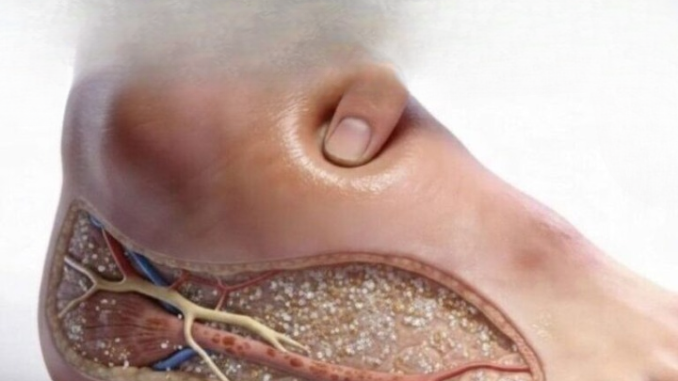
Swollen feet and ankles can make everyday activities uncomfortable. Shoes may feel tighter, socks may leave marks around the ankles, and the legs may feel heavy after a long day.
This type of swelling, often called edema, occurs when excess fluid collects in body tissues. It can happen after sitting or standing for extended periods, traveling long distances, or spending time in hot weather. However, swelling can also be linked to medications or underlying health conditions. The cause matters, especially when swelling is new, persistent, or unexplained.
For mild, occasional swelling, several everyday habits may help improve comfort and support general circulation. These measures are not a cure for every cause of swelling, but they can be useful parts of a healthy routine.
1. Move Throughout the Day
The muscles in your legs help support the movement of blood back toward the heart. When you remain still for long periods, fluid can accumulate around the feet and ankles.
Try taking short walking breaks during the day, especially if your work involves sitting at a desk or standing in one place.
You can also gently flex your ankles, move your feet up and down, or bend and straighten your legs while seated.
The goal is to avoid remaining in the same position for too long. Choose movements that are comfortable and appropriate for your physical abilities.
2. Elevate Your Legs While Resting
Raising your legs while lying down may help reduce fluid accumulation in the lower extremities.
You can place pillows beneath your legs or rest them on a comfortable elevated surface. Choose a position that feels natural and does not cause pain or breathing difficulties.
Leg elevation is commonly recommended as a supportive measure for certain types of swelling, but it does not replace medical evaluation when symptoms persist.
3. Stay Appropriately Hydrated
Drinking enough water supports normal bodily functions, but the right amount varies from person to person.
Avoid assuming that drinking less water will solve swollen feet. Restricting fluids without medical advice may be inappropriate, particularly if the underlying cause has not been identified.
People with certain heart, kidney, or liver conditions may have specific fluid recommendations. If you have been advised to limit your fluid intake, follow your healthcare professional’s guidance.
4. Pay Attention to Sodium
Consuming excessive sodium can contribute to fluid retention in some people.
Packaged soups, processed meats, salty snacks, fast food, and prepared sauces can contain considerable amounts of sodium. Checking nutrition labels and preparing more meals at home can help you manage your intake.
The aim is not to eliminate sodium completely. It is to avoid excessive amounts as part of a balanced diet.
Reducing salt intake may help some types of edema, although the appropriate approach depends on the cause of the swelling.
5. Choose Comfortable Footwear
Shoes that fit tightly can make swollen feet feel even more uncomfortable.
Choose footwear with enough room for your toes and avoid shoes that cause pressure, pain, or numbness. If your feet tend to become larger toward the end of the day, pay attention to how your shoes fit at that time.
Comfortable footwear is especially useful for people who spend many hours walking or standing.
6. Eat a Balanced Diet
A varied diet can support overall cardiovascular health and general well-being.
Include fruits, vegetables, whole grains, beans, lentils, nuts, seeds, and suitable protein sources. Foods such as potatoes, bananas, tomatoes, and beans also provide potassium, an essential mineral involved in normal muscle and nerve function.
However, no particular food can be relied upon to eliminate unexplained swelling.
Potassium supplements should not be taken casually to manage fluid retention. People with kidney problems or those taking certain medications may need to limit potassium intake.
7. Be Careful With Herbal Remedies and Detox Products
Online articles sometimes promote teas, supplements, or special drinks as natural ways to remove excess fluid.
Be cautious with these claims.
A product described as natural is not automatically safe or effective. Some herbs and supplements can interact with medication or affect fluid and electrolyte balance.
Products that increase urination do not necessarily address the reason swelling is occurring.
If you are considering a supplement, especially if you have a chronic condition or take prescription medication, discuss it with a qualified healthcare professional first.
8. Understand Compression Socks Before Using Them
Compression socks may be recommended for certain types of swelling, including some conditions involving the leg veins.
They apply controlled pressure to the legs, but they are not suitable for everyone. The correct type and pressure depend on the person’s health and the cause of the swelling.
If your swelling is new or unexplained, seek advice before relying on compression garments. A healthcare professional can help determine whether they are appropriate.
9. Keep Track of Recurring Symptoms
If swelling happens repeatedly, pay attention to when it appears and how it changes.
Consider whether it occurs after long periods of sitting, during hot weather, or toward the end of the day. Notice whether it affects one foot or both and whether it improves with rest.
You can record these details to discuss with a healthcare professional.
Some medications can cause swelling, including certain blood-pressure medicines, anti-inflammatory drugs, steroids, and hormonal medications. If you suspect a medicine may be contributing, contact your prescriber rather than stopping it yourself.
When Should You Seek Medical Advice?
Although mild swelling can sometimes improve with simple lifestyle changes, it should not automatically be dismissed as harmless.
Arrange medical advice if swelling persists for several days, repeatedly returns, worsens, or has no clear explanation.
Seek urgent medical attention for sudden or severe swelling, particularly when it affects only one leg or occurs with pain, redness, or warmth.
Call emergency services if swelling occurs with chest pain, difficulty breathing, fainting, or other severe symptoms. These may indicate a serious condition requiring immediate care.
Building a Simple Daily Routine
Supporting circulation does not require a complicated program.
A practical routine can include:
- Taking regular movement breaks.
- Avoiding long periods in one position.
- Choosing comfortable shoes.
- Eating a balanced diet with moderate sodium intake.
- Drinking fluids according to your body’s needs and any medical advice.
- Elevating your legs when appropriate.
- Seeking medical guidance when swelling is persistent or unusual.
These habits can support general health, but the best approach depends on the reason swelling occurs.
Final Thoughts
Swollen feet and ankles can be uncomfortable, particularly after a long day of sitting, standing, or traveling. For occasional mild swelling, regular movement, leg elevation, comfortable footwear, and balanced nutrition may help improve comfort.
However, there is no universal food, tea, supplement, or home remedy that can safely treat every cause of fluid retention.
The most responsible approach is to maintain healthy everyday habits while paying attention to changes in your body. If swelling is persistent, sudden, one-sided, painful, or accompanied by breathing difficulties or chest discomfort, seek appropriate medical care rather than relying on home remedies alone.
Healthy circulation is supported by consistent habits—and by knowing when a symptom deserves professional attention.
Leave a Reply