
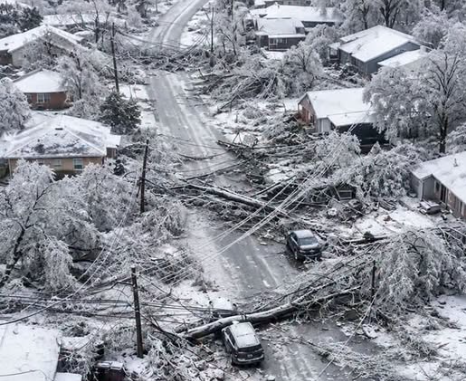
Freezing rain can transform familiar roads, neighborhoods, and landscapes within hours. When temperatures remain below freezing, rain can coat trees, vehicles, power lines, and roadways with a layer of ice, creating difficult conditions for residents and emergency crews.
Recent reports describing severe winter weather in Tennessee have highlighted the risks that can accompany significant ice accumulation. Power outages, blocked roads, falling branches, and hazardous travel can all become concerns when freezing rain continues for an extended period.
For families at home, the effects of an ice storm can be especially disruptive. A power outage can leave homes without heating, lighting, or other essential services. Even when a storm does not cause major structural damage, extended periods without electricity can become challenging during very cold weather.
Why Freezing Rain Can Be So Dangerous
Freezing rain is different from ordinary rain because the droplets freeze when they come into contact with cold surfaces. Over time, ice can accumulate on tree branches and power lines, adding considerable weight.
Branches that normally withstand strong winds may become more vulnerable once covered with ice. In some areas, falling limbs can damage vehicles, block roads, or interfere with electrical infrastructure.
Road conditions can also deteriorate quickly. A thin layer of ice may be difficult to see, making driving particularly hazardous. Bridges and elevated roadways can freeze before other surfaces because they are exposed to cold air from above and below.
Power Outages Can Add Another Challenge
One of the biggest concerns during an ice storm is the possibility of widespread power interruptions.
When ice builds up on electrical equipment and surrounding trees, damage to power lines can occur. Utility crews may then need to clear debris and repair damaged infrastructure before electricity can be restored.
For residents experiencing an outage, preparation becomes important. Flashlights, batteries, blankets, portable chargers, bottled water, and nonperishable food can help households manage while waiting for service to return.
People who rely on electrically powered medical equipment should have an emergency plan and contact their utility provider or healthcare professional when necessary.
Travel May Become Difficult
Even a relatively short trip can become dangerous when roads are coated with ice.
Drivers who must travel should check official road and weather information before leaving. Slowing down, increasing following distance, and avoiding unnecessary travel can reduce the risk of accidents.
Blocked roads can also make it harder for emergency responders and utility workers to reach affected areas. For that reason, residents are often encouraged to stay off dangerous roads unless travel is necessary.
Neighbors Can Make a Difference
Severe weather can also bring out a strong sense of community.
During an extended outage, neighbors may check on older residents, people living alone, or families who need additional assistance. Sharing supplies, providing information, or simply making sure someone is safe can be extremely valuable during difficult weather.
At the same time, residents should avoid approaching damaged power lines or attempting to remove large branches themselves. Downed electrical lines can remain dangerous even when they appear inactive.
Staying Safe Until Conditions Improve
The most important step during an ice storm is to remain informed and avoid unnecessary risks. Residents should follow guidance from local emergency officials, monitor weather updates, and use caution around trees, power lines, and icy roads.
If electricity is lost, keeping refrigerator and freezer doors closed as much as possible can help preserve food for longer. Alternative heating methods should also be used carefully, because improper use of generators, grills, or fuel-burning equipment indoors can create serious hazards.
Freezing rain may eventually give way to warmer temperatures, but the dangers can continue even after the precipitation stops. Ice-covered branches can fall later, roads may remain slippery, and damaged electrical infrastructure can take time to repair.
For communities affected by severe winter weather, patience and preparation can make a significant difference. What begins as an ordinary winter storm can quickly create complicated challenges, but careful planning, responsible travel, and neighbors looking out for one another can help reduce the risks until conditions improve.
Leave a Reply