
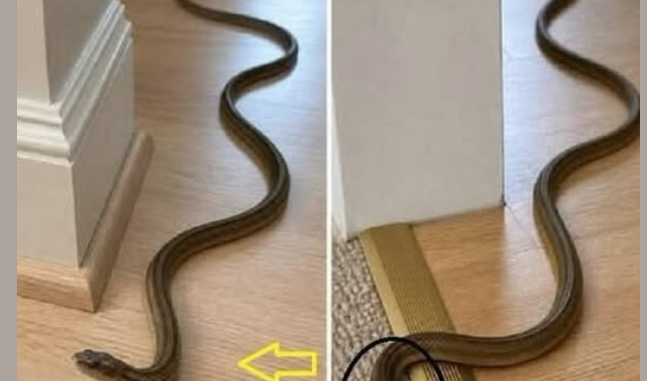
Finding a snake inside your home can be an unsettling experience. For many people, the immediate reaction is fear or surprise. But in most cases, a snake does not enter a house because it is looking for people or trying to cause trouble.
Snakes are wild animals responding to their surroundings. A home can sometimes provide exactly what they are looking for: shelter, food, water, or a comfortable temperature.
Understanding those reasons can make an unexpected encounter easier to handle and can also help homeowners reduce the chances of another visit.
Why Would a Snake Enter a House?
Snakes generally move through their environment in search of basic necessities. Depending on the species and season, they may be looking for a protected hiding place, prey, or a location with more suitable temperatures.
A property can unintentionally provide several of these things at once.
Shelter From Weather
Weather is one possible reason a snake may move closer to a building.
Heavy rain can flood hiding places outdoors, while very hot weather can make shaded areas more attractive. During colder periods, sheltered spaces may provide protection from wind and low temperatures.
Garages, sheds, crawl spaces, basements, and areas beneath decks can all provide places where wildlife may seek shelter.
Small openings around foundations, doors, vents, pipes, and other utility connections can sometimes provide access.
Food Can Attract Them
Food availability is another important factor.
Many snakes feed on rodents, insects, frogs, lizards, or other small animals. If a property has an abundant population of prey, snakes may spend more time nearby.
For example, a rodent problem can sometimes contribute to repeated snake sightings because rodents themselves provide a potential food source.
This means that simply removing a snake may not address the reason it appeared in the first place. Reducing food sources and improving sanitation around the property can be part of a longer-term approach.
Temperature Matters
Snakes are ectothermic animals, meaning they depend on environmental temperatures to regulate their body temperature.
Their behavior can therefore change with the seasons.
During hot weather, cool and shaded locations may be attractive. During cooler periods, warmer protected spaces can become appealing.
A garage, basement, foundation area, or other sheltered portion of a building may occasionally offer conditions that are more suitable than the surrounding environment.
How Do Snakes Get Inside?
One of the most important parts of preventing unwanted wildlife encounters is identifying potential entry points.
Snakes can move through surprisingly narrow openings, especially when an opening leads toward a sheltered area.
Common locations to inspect include:
- Gaps beneath exterior doors
- Cracks in foundations
- Openings around pipes and utility lines
- Damaged screens
- Gaps around vents
- Spaces beneath porches and decks
- Unsealed areas around garages and sheds
Regularly inspecting these areas and repairing damage can make a property less accessible to wildlife.
Does Finding One Snake Mean There Are More?
Not necessarily.
A single snake inside or around a home does not automatically mean there is an infestation. It may have entered accidentally or simply been passing through the area.
However, repeated sightings can indicate that something on the property is attracting or providing access for wildlife.
If snakes continue appearing, homeowners can look for possible food sources, hiding areas, standing water, vegetation, or structural openings.
Repeated sightings may also justify contacting a qualified wildlife professional who can inspect the property.
Are All Snakes Dangerous?
No.
There are many snake species, and most are not venomous. Their behavior also varies considerably by species.
Even a nonvenomous snake should be treated as wildlife and given plenty of space. A frightened animal may defend itself if it feels trapped or threatened.
Because identification can be difficult, homeowners should avoid assuming that an unfamiliar snake is harmless.
If you do not know what species you are dealing with, keeping your distance is the safest approach.
What Should You Do If You Find a Snake Indoors?
The first step is to stay calm and avoid getting close.
If possible, keep children and pets away from the area. Do not corner the snake, try to grab it, or attempt to kill it.
Instead, give the animal space and contact local wildlife authorities, animal control, or a qualified wildlife removal professional.
If the snake is in a room that can be safely isolated, closing the door may help prevent it from moving throughout the house while assistance is arranged.
If someone is bitten, seek urgent medical attention. Do not attempt risky home treatments or try to handle the snake to identify it.
How to Reduce the Chances of Snakes Entering
Preventing access is often more useful than dealing with repeated encounters after they happen.
Homeowners can take several practical steps.
Seal Openings
Inspect the exterior of the home for cracks and gaps, particularly around the foundation, doors, vents, and utility openings.
Repair damaged screens and make sure exterior doors close properly.
Reduce Hiding Places
Snakes and the animals they prey upon may find cluttered areas attractive.
Keeping woodpiles, piles of debris, unused materials, and dense vegetation away from the immediate foundation can reduce potential hiding places.
Manage Rodents
If rodents are present, addressing that problem can also help reduce an important potential food source for snakes.
Keep food securely stored, clean up spills, and avoid leaving pet food outdoors overnight.
Maintain the Yard
Keeping grass and vegetation reasonably maintained can make it easier to see activity around the property.
It is also useful to avoid creating unnecessary piles of leaves, boards, rocks, or other materials close to the house.
Snake Activity Changes With the Seasons
Snake activity is strongly influenced by temperature and local conditions.
In many regions, activity increases during warmer parts of the year. Spring can bring increased movement as temperatures rise, while summer may involve regular hunting and reproduction.
As temperatures fall in autumn, some species begin seeking protected places where they can spend colder periods. Depending on the species and climate, this may involve a dormant state commonly called brumation.
Because behavior varies by species and location, homeowners should learn about the snakes found in their particular area rather than relying on general assumptions.
Why Local Species Matter
Knowing which snakes live in your region can make encounters easier to understand.
Different species have different diets, habitats, behaviors, and levels of risk.
Local wildlife agencies, environmental organizations, nature centers, and reputable identification resources can provide information about species commonly found in an area.
Learning to recognize local wildlife does not mean homeowners should attempt to handle snakes. Identification from a safe distance is preferable to physical contact.
Landscaping Can Influence Wildlife Encounters
The way a property is maintained can affect which animals spend time nearby.
Dense vegetation, unmanaged piles of material, standing water, and conditions that support large populations of rodents or insects can make an area more attractive to wildlife.
Thoughtful landscaping can reduce some of these attractants without eliminating natural habitat altogether.
Native plants, appropriate watering practices, and well-maintained outdoor areas can help create a healthier balance between residential spaces and surrounding wildlife.
Why Snakes Are Important
Although snakes are often feared, they play important roles in many ecosystems.
Some species help regulate populations of rodents and other small animals. This makes them part of the natural food web and, in some environments, useful contributors to ecological balance.
That does not mean homeowners have to welcome snakes inside their houses.
It simply means that an encounter can be handled without unnecessary harm.
When removal is necessary, humane wildlife-management practices can help protect both people and animals.
Common Myths About Snakes
Snakes are surrounded by many popular myths.
Some people believe that snakes intentionally enter houses to attack people. Others believe that seeing one snake automatically means more are nearby.
These assumptions are not reliable.
Most snake encounters are better explained by ordinary environmental factors such as shelter, food, temperature, or access.
Another common misconception is that every snake is venomous. In reality, snake species differ widely, and many pose little danger to humans when left alone.
The safest approach is not to rely on myths or guesses, but to give an unfamiliar snake space and seek professional assistance when necessary.
When Professional Help Makes Sense
Professional wildlife assistance can be especially useful when a snake is inside a living area, when the species is unknown, or when repeated encounters occur.
A qualified professional may be able to determine how the animal entered, identify conditions that are attracting wildlife, and recommend exclusion measures.
For repeated problems, simply removing individual animals may not be enough. Finding and addressing the underlying access point or attractant can provide a more lasting solution.
Local rules should also be considered because wildlife regulations differ between jurisdictions, and some species may have specific protections.
Community Awareness Can Help
Snake encounters are not always limited to one property.
In neighborhoods located near forests, fields, wetlands, rivers, or other natural habitats, several households may occasionally encounter wildlife.
Sharing reliable information about local species and prevention methods can help residents respond more calmly.
Community education can also discourage dangerous reactions, such as trying to kill or capture unfamiliar wildlife.
Understanding what animals need and how they behave can make coexistence easier.
What About Climate and Changing Wildlife Patterns?
Weather and environmental conditions can influence when and where wildlife is active.
Changes in temperature, rainfall, habitat, and prey availability may affect animal movement. Researchers continue to study how broader environmental changes influence wildlife behavior and distribution.
However, individual snake sightings should not automatically be attributed to climate change.
Local conditions—such as recent weather, nearby habitat, food availability, and building access—can be much more immediate explanations.
Fear of Snakes Is Common
Some people have an intense fear of snakes, sometimes referred to as ophidiophobia.
For someone with a strong fear, even seeing a harmless snake can produce a significant emotional reaction.
Education can sometimes help people understand that most snakes are not actively seeking human contact. Knowing what to do during an encounter can also reduce uncertainty.
The goal is not necessarily to make everyone comfortable around snakes. Rather, it is to encourage safe behavior when an unexpected encounter occurs.
A Safer Approach to Snake Encounters
The most useful principle is simple: give the animal space.
Do not approach an unfamiliar snake to get a closer look. Do not attempt to catch it with household objects, and do not allow children or pets to investigate.
Instead, isolate the area if it can be done safely and contact an appropriate wildlife professional.
After the immediate situation is resolved, inspect the property for possible entry points and conditions that could attract prey.
Final Takeaway
A snake inside a house can certainly be surprising, but the explanation is usually more practical than mysterious.
The animal may have been searching for shelter, following a food source, responding to temperature, or simply finding an accessible opening.
Homeowners can reduce future encounters by sealing gaps, maintaining outdoor areas, managing potential pest problems, and learning about the species found in their region.
Most importantly, an unfamiliar snake should be treated as wildlife rather than something to confront.
A calm response, appropriate distance, and professional assistance when necessary can help protect both people and animals while reducing the chances of another unexpected visitor.
Leave a Reply