
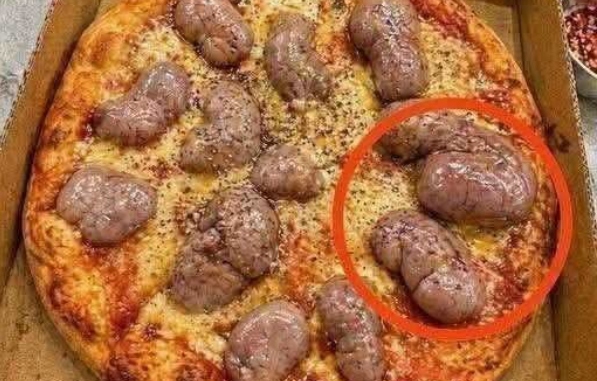
Have you ever opened a pizza box and noticed bubbles in the cheese, shiny patches, small white spots, or even a slightly unusual color in the sauce? These details can sometimes look strange, especially when photos online claim they are signs of poor-quality ingredients.
In reality, many of these changes are completely normal. Pizza goes through intense heat during baking, causing natural reactions in the cheese, sauce, and dough.
Here’s what may actually be happening.
Why Does Pizza Cheese Bubble?
Those golden bubbles on mozzarella are usually a normal result of baking.
Cheese contains moisture, fat, and protein. As mozzarella gets hot, its moisture begins turning into steam. Small pockets of steam can become trapped underneath the melting cheese, creating bubbles.
Because the raised portions are exposed to more heat, they can brown faster than the rest of the cheese.
The result is the familiar combination of creamy mozzarella and toasted brown spots found on many freshly baked pizzas.
Different cheeses produce different results. Low-moisture mozzarella generally browns more easily, while fresh mozzarella may remain lighter and release more water.
Why Does Mozzarella Sometimes Look Wet?
A little moisture around mozzarella doesn’t necessarily mean something is wrong.
Fresh mozzarella naturally contains a lot of water and is often stored in brine or whey. When heated, some of this moisture escapes.
That’s why pizza topped with fresh mozzarella may develop small pools of liquid.
If you’re making pizza at home, you can reduce this by draining the mozzarella before using it. Gently blotting it with a paper towel can also remove some excess moisture.
However, cheese with an unusual odor, unexpected fuzzy growth, or other obvious signs of spoilage should not be eaten.
Why Can Melted Cheese Look Shiny?
Melted mozzarella sometimes develops an extremely smooth or glossy appearance.
This happens because heat changes the structure of the cheese. Fat melts, proteins soften, and moisture moves through the cheese.
Low-moisture mozzarella is commonly used by pizzerias because it melts consistently and provides the stretchy texture people expect from pizza.
Some commercial cheese products are also designed to provide predictable melting and browning.
A shiny appearance alone doesn’t mean the cheese is artificial or unsafe.
What About White Spots?
White spots on cheese can have several explanations.
Certain aged cheeses naturally develop small crystals during maturation. These crystals can be completely harmless and are different from mold.
However, not every white mark should automatically be considered harmless.
If you see fuzzy or unusual growth on pizza that has been stored for some time, especially when accompanied by an unpleasant smell, it is better to discard it.
Normal cheese crystals tend to look firm or grainy rather than fuzzy.
Why Does Pizza Cheese Turn Brown?
The brown or golden areas on pizza cheese are generally created by heat.
As the surface becomes hot and loses moisture, browning reactions can occur. This produces many of the flavors and aromas associated with freshly baked pizza.
Oven temperature makes a major difference.
Professional pizza ovens can reach extremely high temperatures, causing cheese and crust to develop dark spots very quickly.
In many traditional pizza styles, a small amount of browning or charring is actually expected.
Why Is There Oil on Top?
Seeing small droplets of oil on a hot pizza is also common.
Cheese naturally contains fat. When heated, some of that fat can separate and appear on the surface.
Toppings such as pepperoni and sausage can release additional fat as they cook.
The amount of oil depends on the cheese, toppings, temperature, and baking time.
Visible oil on a freshly cooked pizza is therefore not automatically a sign that anything is wrong.
Why Can Tomato Sauce Change Color?
Tomatoes contain natural pigments, including lycopene, which gives them their familiar red appearance.
During baking, tomato sauce can become darker, lighter, or slightly more orange in certain areas.
Heat, moisture loss, acidity, oil, cheese, and other ingredients can all influence the final color.
The sauce near the edge of a pizza may become particularly dark because it receives more direct heat.
Minor color changes during baking are therefore usually normal.
When Should You Be Concerned?
While bubbling cheese and shiny surfaces are generally harmless, genuine signs of spoiled food should still be taken seriously.
Be cautious if you notice:
- Fuzzy green, blue, black, or unusual mold growth
- A strong sour, rancid, or unpleasant smell
- An unusual slimy texture combined with other spoilage signs
- Pizza that has been sitting at room temperature for too long
Perishable leftovers should generally be refrigerated within about two hours. If temperatures are above 90°F (32°C), that time is reduced to about one hour.
Remember that harmful bacteria do not always change the appearance or smell of food.
How to Store Leftover Pizza
Leftover pizza should be refrigerated promptly in a covered container or properly wrapped.
Keep your refrigerator at 40°F (4°C) or below.
When reheating leftovers, heating them thoroughly is important. A commonly recommended internal temperature for reheated leftovers is 165°F (74°C).
Pizza can also be frozen if you don’t plan to eat it within the next few days.
Don’t Let Viral Food Myths Cause Unnecessary Worry
Food photos can easily be misunderstood online.
A close-up picture of bubbling cheese or a shiny patch can look suspicious when accompanied by an alarming headline. But many of these features are simply the result of heat interacting with moisture, protein, fat, and other ingredients.
There are genuine food-safety issues worth paying attention to, including improper storage, cross-contamination, undercooked foods, and official food recalls.
These risks are more important than ordinary changes caused by baking.
Final Thought
Pizza undergoes many natural transformations inside an oven.
The cheese melts and bubbles. Fat may rise to the surface. Tomato sauce can change color slightly, and the crust develops golden or dark toasted areas.
Most of these characteristics are simply part of the cooking process.
The important thing is knowing the difference between normal baking changes and genuine signs of spoilage.
So the next time your pizza arrives with bubbling mozzarella, glossy cheese, or beautifully browned spots, don’t immediately assume something is wrong.
It may simply be a sign that heat, ingredients, and food science have come together to create a delicious slice.
Leave a Reply