
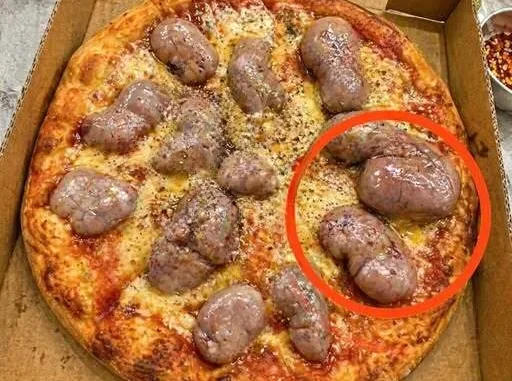
A freshly baked pizza does not always come out of the oven looking perfectly smooth. Sometimes, large bubbles or raised areas appear across the crust, and in some cases the cheese itself seems to stretch over small pockets of air.
Although these bubbles can look unusual, they are generally a normal part of the baking process. Their size, shape, and frequency can be influenced by the dough, fermentation, moisture, oven temperature, and the way the pizza is prepared.
Understanding what happens inside the dough can make these unusual-looking spots much easier to appreciate.
How Pizza Bubbles Form
The process begins long before the pizza enters the oven.
Pizza dough contains water, flour, yeast, and other ingredients. During fermentation, yeast produces carbon dioxide gas as it interacts with sugars in the dough. Some of this gas becomes trapped within the developing gluten structure.
When the pizza is eventually placed in a hot oven, several things happen at once.
The water inside the dough begins turning into steam, while gases already trapped in the dough expand because of the increasing temperature. The combination of gas expansion and steam can push against the dough from underneath the surface.
If the dough is flexible enough, it stretches outward and creates a pocket.
That pocket can remain relatively small, or it can expand into a much larger blister. In very hot ovens, this process happens quickly, which can produce the dramatic bubbles sometimes associated with artisan pizza.
Why Some Pizzas Have More Bubbles Than Others
Not every pizza dough behaves in exactly the same way.
One of the biggest factors is hydration, or the amount of water relative to the flour. Dough with more water can behave differently during baking and may develop a lighter, more open structure.
Fermentation also matters.
A properly fermented dough can develop a network of air pockets throughout its structure. Depending on how the dough is handled and stretched, some of those pockets may combine or expand significantly when exposed to high heat.
The flour itself also plays a role. Different types of flour have different characteristics, including protein content and their ability to form gluten. These properties influence how well the dough can stretch and hold gases during fermentation and baking.
Even the way the dough is shaped can affect the final appearance.
The Importance of Oven Temperature
The oven is another major factor.
Traditional pizza styles such as Neapolitan pizza are often cooked at extremely high temperatures. The intense heat allows the pizza to bake in a relatively short period.
That rapid heating causes moisture and gases inside the dough to expand quickly. The result can be a crust with raised areas, airy pockets, and darker blisters.
Home ovens generally operate at lower temperatures than professional pizza ovens. As a result, the baking process is slower and the appearance of the crust can be different.
Pizza stones and baking steels are sometimes used at home because they transfer strong heat to the bottom of the dough, helping create a more developed crust.
Are Large Pizza Bubbles a Sign That Something Is Wrong?
Seeing a large bubble does not automatically mean that a pizza is spoiled or contaminated.
The bubble itself is primarily a result of the physical changes taking place in the dough during baking. It is not, by itself, evidence of a food-safety problem.
However, the bubble should not be considered a guarantee that every part of the pizza is safe. Overall food quality still matters.
Consumers should consider factors such as whether the pizza was stored properly, whether perishable toppings were handled safely, and whether there are obvious signs of spoilage.
Unusual odors, slimy or deteriorating ingredients, mold, or questionable storage conditions are much more relevant concerns than the presence of a bubble alone.
Why Pizza Makers Sometimes Want These Bubbles
For many pizza enthusiasts, bubbles are not considered a flaw at all.
A well-developed blistered crust can provide a combination of textures. One section may be crisp and lightly charred while another is airy and soft.
These differences can make each bite more interesting.
Professional pizza makers often pay close attention to fermentation, dough handling, oven temperature, and baking time because these factors can influence the final structure of the crust.
In some styles of pizza, the appearance of blistering is even considered part of the desired character of the finished product.
Fermentation Is One of the Biggest Factors
Yeast fermentation is particularly important because it helps create the gas that becomes trapped in the dough.
During fermentation, yeast consumes available sugars and produces carbon dioxide. The gluten network formed from the flour provides a flexible structure capable of holding some of that gas.
The longer and more carefully the dough is fermented, the more its structure can change.
Cold fermentation is commonly used by pizza makers who want to develop particular flavors and textures. The dough may spend many hours in a refrigerator before being brought back to a suitable temperature for shaping and baking.
However, fermentation time alone does not guarantee a bubbly crust. Flour type, hydration, temperature, shaping technique, and baking conditions all work together.
Can You Prevent Large Bubbles?
If you prefer a more evenly shaped pizza, there are several preparation techniques that can influence bubble formation.
One traditional method is called docking. This involves making small holes in portions of the dough before baking. The openings provide pathways for trapped gas to escape.
However, whether docking is desirable depends on the style of pizza being prepared. Some pizza makers deliberately avoid it because they want the dough to develop larger air pockets.
How the dough is stretched also matters. Handling it aggressively can change the distribution of trapped gases, while gentler shaping may preserve more of the structure created during fermentation.
The toppings themselves can also influence how the surface behaves during baking.
What If You Like a Bubbly Crust?
For people who enjoy airy, blistered pizza, the opposite approach may be preferred.
A suitable dough recipe, careful fermentation, gentle shaping, and a very hot oven can encourage the development of larger air pockets.
The exact result will depend on the recipe and equipment.
Pizza making is partly an exercise in experimentation. Small changes in hydration, fermentation time, flour, oven temperature, and baking position can produce noticeably different results.
That is one reason two pizzas made from seemingly similar ingredients can come out looking completely different.
Why the Bubbles Can Look So Dramatic
Some pizza bubbles become covered by cheese or toppings, making them particularly noticeable.
As the dough rises beneath the toppings, the surface can stretch. Cheese may melt over the raised area and create a glossy or inflated appearance.
Other bubbles remain mostly within the crust. When the surface becomes browned or lightly charred, the contrast can make the raised sections even more visible.
Photography can exaggerate this effect as well. Close-up food photographs often highlight the texture of pizza crust, making small variations appear much larger than they would from a normal viewing distance.
A Natural Part of Baking
The next time you see a pizza with an unusually large bubble, there is usually no reason to assume that something went wrong simply because the crust looks different.
The appearance is often the result of several ordinary processes happening simultaneously: fermentation creates gas, heat causes gases and moisture to expand, and the dough stretches around those pockets.
The result can be a crust full of interesting shapes and textures.
For pizza makers, those bubbles can even provide clues about how the dough behaved during preparation and baking.
The Science Behind a Simple Slice
Pizza may seem like a simple food, but its preparation involves a surprisingly complex combination of chemistry and physics.
Yeast fermentation changes the dough. Gluten provides structure. Water becomes steam during baking. Heat changes the texture of starches and proteins, while the oven environment determines how quickly those transformations occur.
The bubbles are one visible result of all these processes.
Rather than being something to automatically worry about, they can be viewed as a small example of the science taking place inside the oven.
So if your next pizza comes out with a few impressive bubbles across the crust, take a closer look. What may initially appear unusual is often simply the result of fermentation, moisture, heat, and careful dough preparation coming together in one delicious slice.
Leave a Reply