
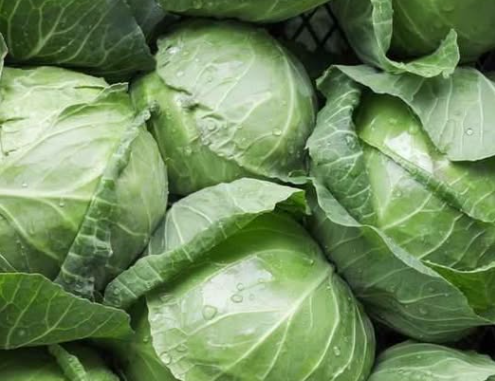
Walk through almost any grocery store and you’ll find cabbage sitting quietly beside much more fashionable vegetables.
It doesn’t have the reputation of avocado, kale, or other so-called “superfoods.” Yet cabbage is inexpensive, versatile, stores well, and provides an impressive variety of nutrients.
Better still, you don’t have to eat a bowl of plain boiled cabbage to enjoy it.
Cooked correctly, cabbage can become slightly sweet, caramelized, crispy around the edges, and surprisingly satisfying.
Here’s why this humble vegetable deserves another look—and a simple recipe that may change the way you prepare it.
Why Cabbage Is Worth Eating
Cabbage belongs to the cruciferous vegetable family, alongside broccoli, cauliflower, Brussels sprouts, and kale.
It’s relatively low in calories while providing fiber and several vitamins and minerals.
Depending on the variety, cabbage can contribute:
- Vitamin C
- Vitamin K
- Folate
- Fiber
- Potassium
- Various plant compounds and antioxidants
Rather than thinking of cabbage as a miracle food, consider it one useful part of a varied diet rich in vegetables, fruit, whole grains, legumes, and other nutritious foods.
It Can Support Digestive Health
Cabbage contains dietary fiber.
Fiber helps support normal bowel function and provides nourishment for parts of the gut microbiome.
However, increasing fiber too quickly can sometimes cause gas or bloating.
If you aren’t accustomed to eating many high-fiber vegetables, start with smaller portions and gradually increase your intake.
Cooking cabbage can also make it easier for some people to tolerate than eating large quantities raw.
Red or Green Cabbage?
Both are nutritious choices.
Green cabbage has a mild flavor and works beautifully in soups, stir-fries, slaws, and sautéed dishes.
Red cabbage contains pigments known as anthocyanins, which are responsible for its deep purple-red color.
Anthocyanins are antioxidant plant compounds also found in foods such as blueberries and blackberries.
You don’t necessarily have to choose one over the other.
Using both varieties provides different flavors, textures, colors, and plant compounds.
A Simple Crispy Garlic Cabbage Recipe
This recipe transforms an ordinary head of cabbage into a flavorful side dish with caramelized edges and plenty of texture.
Ingredients
- ½ large head of green or red cabbage
- 1–2 tablespoons olive oil or another suitable cooking oil
- 2 garlic cloves, minced
- 1 teaspoon freshly grated ginger
- 1 tablespoon apple cider vinegar or fresh lemon juice
- Salt and black pepper to taste
- Red pepper flakes, optional
- Sesame seeds, optional
Step 1: Prepare the Cabbage
Remove any damaged or tough outer leaves.
Cut the cabbage in half and carefully remove the hard central core.
Slice the remaining cabbage into relatively thin strips.
Keeping the pieces reasonably uniform helps them cook at approximately the same rate.
Step 2: Heat Your Pan
Place a large skillet over medium-high heat and add the oil.
Once the pan is hot, add the cabbage.
It may initially look like far too much cabbage for the skillet, but don’t worry.
Cabbage loses considerable volume as it cooks.
Step 3: Don’t Stir Immediately
Here’s the trick that makes this recipe different from soggy boiled cabbage.
Leave it alone for a few minutes.
Allowing the cabbage to remain in contact with the hot pan encourages browning and caramelization.
After approximately 3–4 minutes, toss or stir it.
You should begin seeing golden-brown edges.
Step 4: Add Garlic and Ginger
Push some of the cabbage toward the edges of the skillet.
Place the garlic and ginger in the center and cook briefly until fragrant.
Don’t allow the garlic to burn.
Mix everything together and continue cooking until the cabbage reaches your preferred tenderness.
For the best texture, keep a little crunch rather than cooking it until completely soft.
Step 5: Add Some Acidity
Remove the pan from the heat and add apple cider vinegar or fresh lemon juice.
This small amount of acidity brightens the entire dish and balances the natural sweetness that develops as cabbage browns.
Season with salt and pepper.
If you like heat, add red pepper flakes.
For extra texture, finish with toasted sesame seeds or sliced almonds.
Turn It Into a Complete Meal
Cabbage doesn’t have to remain a side dish.
Add drained chickpeas for extra protein and fiber.
You could also serve it alongside:
- Salmon
- Chicken
- Tofu
- Beans
- Lentils
- Brown rice
- Quinoa
For an Asian-inspired version, add a small amount of soy sauce or tamari along with the ginger.
You can also top it with sesame seeds and sliced green onions.
Why Does Cabbage Sometimes Cause Gas?
If cabbage makes you feel bloated, you’re certainly not alone.
Cruciferous vegetables contain fiber and certain carbohydrates that gut bacteria ferment.
This process can produce gas.
That doesn’t mean cabbage is unhealthy.
Your individual digestive system and portion size matter.
Cooking cabbage and beginning with smaller portions may make it easier to tolerate.
People with ongoing digestive conditions should follow personalized guidance from their healthcare professional or dietitian.
Don’t Overcook It
Many people think they dislike cabbage because they’ve only experienced it severely overcooked.
Long cooking can create a very soft texture and stronger sulfur-like aromas.
Sautéing it quickly allows the edges to brown while the center maintains some crunch.
That’s an entirely different eating experience.
Instead of pale, watery cabbage, you get a vegetable that’s slightly sweet, savory, crispy, and bright.
Can You Eat Cabbage Raw?
Absolutely.
Raw cabbage is the foundation of countless slaws and salads.
Slice it very thinly and combine it with ingredients such as carrots, herbs, lemon juice, vinegar, or a simple dressing.
Massaging sliced cabbage with a small amount of salt can soften its texture.
Raw and cooked cabbage both have a place in a balanced diet.
Choose whichever preparation you actually enjoy eating.
Great for Meal Preparation
Cabbage is particularly convenient because it keeps relatively well compared with many delicate leafy vegetables.
The cooked version can also be prepared ahead and stored appropriately in the refrigerator.
Reheat it briefly in a skillet when you’re ready to eat.
You can also serve leftover cooked cabbage cold or add it to grain bowls and salads.
Always refrigerate cooked leftovers promptly and use safe food-storage practices.
You Don’t Need Expensive “Superfoods”
Healthy eating is often presented as something complicated and expensive.
It doesn’t have to be.
Basic vegetables such as cabbage, carrots, onions, broccoli, beans, and potatoes can contribute valuable nutrients without requiring specialty health-food products.
No single vegetable will transform your health.
The real benefits come from consistently eating a varied, balanced diet.
That’s where cabbage shines.
It’s affordable, widely available, versatile, and easy to incorporate into everyday meals.
Final Thoughts
Cabbage may never be the most glamorous vegetable in the produce aisle, but perhaps it doesn’t need to be.
It’s nutritious, economical, filling, and remarkably versatile.
The secret is preparation.
Instead of boiling it until soft, try slicing it thinly and cooking it quickly in a hot skillet until the edges become golden and slightly crisp.
Add garlic, ginger, a splash of lemon or vinegar, and your favorite seasonings.
Suddenly, an inexpensive head of cabbage becomes something you might genuinely look forward to eating.
Sometimes the best foods aren’t the ones with the biggest health claims or highest price tags.
They’re the simple ingredients that make it easy to put more vegetables on your plate.
Leave a Reply