
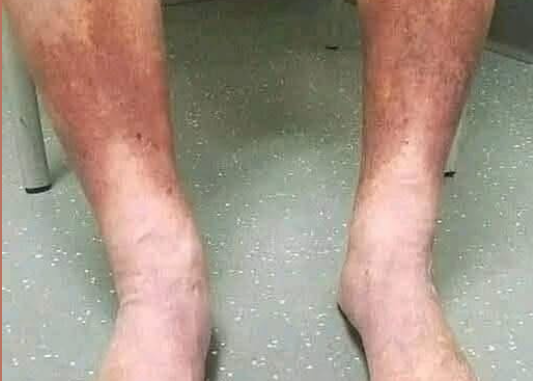
Swollen feet can happen to almost anyone. After a long day of standing, a lengthy car journey, or even during hot weather, you might notice that your shoes suddenly feel tighter or your ankles look puffier than usual.
In many cases, the cause is temporary and relatively harmless.
However, persistent or sudden swelling—known medically as edema—can sometimes be associated with an underlying health problem.
Here are 10 common reasons your feet or ankles may swell and the warning signs that deserve medical attention.
1. Sitting or Standing for Long Periods
Spending hours in one position is one of the simplest explanations for swollen feet.
When you don’t move your legs frequently, the calf muscles aren’t helping circulate blood and fluid as effectively. Gravity can then encourage fluid to collect around the ankles and feet.
This commonly happens during:
- Long flights
- Road trips
- Desk work
- Jobs requiring prolonged standing
Taking regular walking breaks, moving your ankles, and elevating your legs afterward may help.
2. Hot Weather
Have you noticed that your ankles look more swollen during summer?
Heat can cause blood vessels near the skin to widen as the body attempts to regulate temperature.
For some people, this makes fluid accumulation around the feet and ankles more noticeable.
Staying hydrated, avoiding excessive heat when possible, and taking breaks from prolonged standing may help.
3. Too Much Sodium
Salt affects the body’s fluid balance.
Eating large amounts of sodium can contribute to water retention in some people.
Common high-sodium foods include processed meats, chips, canned soups, fast food, frozen meals, and many packaged snacks.
If you frequently experience mild swelling, paying attention to sodium intake may be worthwhile.
However, persistent edema shouldn’t automatically be blamed on salt without considering other possible causes.
4. An Injury
If only one foot or ankle suddenly becomes swollen, think about whether you’ve recently injured it.
Sprains, fractures, bruises, and other injuries trigger inflammation as part of the body’s healing response.
Pain, bruising, and difficulty walking may occur alongside the swelling.
Seek medical evaluation if you can’t comfortably put weight on the injured foot, the pain is severe, or you suspect a fracture.
5. Problems With Leg Veins
Veins contain valves that help move blood from the legs back toward the heart.
When these valves don’t work effectively, blood can pool in the lower legs. This condition is known as chronic venous insufficiency.
Possible symptoms include:
- Swollen ankles
- Heavy or aching legs
- Varicose veins
- Skin changes around the ankles
- Symptoms that become worse after prolonged standing
A healthcare professional can evaluate persistent symptoms and recommend appropriate treatment.
6. Heart Problems
Certain heart conditions can cause fluid to accumulate in the legs and feet.
Swelling related to heart problems may occur alongside other symptoms such as unusual shortness of breath, fatigue, rapid weight gain from fluid, or difficulty breathing when lying down.
Swollen feet alone don’t mean you have heart disease.
There are many more common explanations.
However, new or worsening swelling accompanied by breathing difficulties or chest discomfort requires prompt medical attention.
7. Kidney Problems
Your kidneys play an important role in regulating fluid and sodium levels.
When kidney function is significantly impaired, excess fluid may accumulate in the body.
Depending on the underlying problem, additional symptoms may include changes in urination, fatigue, high blood pressure, or puffiness around the eyes.
Persistent unexplained swelling should be discussed with a healthcare professional rather than diagnosed at home.
8. Liver Disease
Advanced liver disease can also contribute to fluid accumulation.
The liver produces proteins involved in maintaining fluid balance within blood vessels. Certain serious liver conditions can disrupt this process.
Other possible signs of liver disease can include abdominal swelling, yellowing of the skin or eyes, unusual bruising, or persistent fatigue.
These symptoms require professional medical evaluation.
9. Certain Medications
Sometimes swollen ankles are a medication side effect.
Certain blood-pressure medicines and some corticosteroids, hormones, anti-inflammatory drugs, and other medications can contribute to edema.
If swelling began after starting or changing a medication, contact the healthcare professional who prescribed it.
Don’t stop taking prescribed medication on your own.
Your doctor may determine whether the medicine is responsible or whether another cause needs investigation.
10. Pregnancy
Some swelling of the feet and ankles is common during pregnancy, particularly later in pregnancy.
However, sudden or severe swelling deserves attention.
Swelling accompanied by symptoms such as a severe headache, vision changes, or other concerning symptoms may require urgent assessment because these can occur with pregnancy complications such as preeclampsia.
When uncertain, contact your maternity care team promptly.
When Swollen Feet Can Be an Emergency
The pattern of swelling matters.
Seek urgent medical attention for swelling accompanied by symptoms such as:
- Chest pain
- Difficulty breathing
- Sudden shortness of breath
- Fainting or severe weakness
- Sudden significant swelling
- One swollen leg that is painful, warm, or red
One-sided leg swelling combined with pain, warmth, or redness can sometimes occur with a deep vein thrombosis (DVT), or blood clot.
A clot can become dangerous if it travels to the lungs, so suspected DVT requires prompt medical evaluation.
What Can Help Mild Swelling?
If the swelling is mild and you’ve already ruled out concerning medical causes, several everyday habits may provide relief.
Elevate Your Legs
When resting, elevate your legs comfortably. This can help reduce fluid accumulation caused by gravity.
Keep Moving
Walking activates the calf muscles and supports circulation.
If you work at a desk or travel frequently, try standing and moving periodically rather than remaining still for hours.
Watch Your Sodium Intake
Reducing heavily processed and extremely salty foods may help people whose swelling is related to sodium and fluid retention.
Stay Hydrated
Drink enough fluids according to your individual needs.
Don’t deliberately restrict water because you’re experiencing swelling unless a healthcare professional has specifically instructed you to do so.
Ask About Compression Stockings
Compression stockings can help some people with certain circulation-related conditions.
However, they aren’t appropriate for everyone.
If you have significant swelling or known circulation problems, ask a healthcare professional whether compression garments are suitable before using them.
Why Is Only One Foot Swollen?
Swelling limited to one foot or leg deserves additional attention.
Possible causes range from relatively simple injuries to infections or circulation problems.
A blood clot is another possibility that needs to be considered, particularly when the swelling begins suddenly or is accompanied by pain, warmth, or redness.
Don’t attempt to determine the cause solely from photographs or online symptom lists.
A healthcare professional may need to examine the leg.
What If Both Feet Are Swollen?
Swelling in both feet can occur after prolonged standing, during hot weather, or because of certain medications.
But bilateral swelling can also occur with medical conditions affecting fluid balance or circulation.
The duration and accompanying symptoms provide important clues.
If both feet remain swollen for several days, the swelling repeatedly returns, or it is getting progressively worse, arrange a medical evaluation.
How Doctors Find the Cause
There isn’t one test used for every case of swollen feet.
A healthcare professional will usually consider your symptoms, medical history, medications, and physical examination.
Depending on the situation, additional testing might include blood or urine tests, imaging, an ultrasound of the leg, or tests that evaluate the heart, kidneys, liver, or blood vessels.
The goal is to identify why fluid is accumulating rather than simply making the swelling disappear temporarily.
Final Thoughts
Swollen feet don’t automatically mean something serious is happening.
Sometimes the explanation is as ordinary as standing all day, traveling for several hours, eating a salty meal, or experiencing hot weather.
But there are situations when swelling shouldn’t be ignored.
Pay particular attention to sudden swelling, persistent or worsening symptoms, one-sided swelling with redness or pain, and swelling accompanied by chest pain or breathing difficulties.
Your feet can sometimes provide useful clues about what’s happening elsewhere in your body.
The important thing isn’t to panic when you notice swelling—it’s to recognize when an everyday symptom deserves a closer look.
Medical Disclaimer: This article is for general educational purposes and isn’t intended to diagnose or treat any medical condition. Seek professional medical advice for persistent or unexplained swelling. Sudden leg swelling accompanied by chest pain, breathing difficulty, or other severe symptoms requires urgent medical attention.
Leave a Reply