
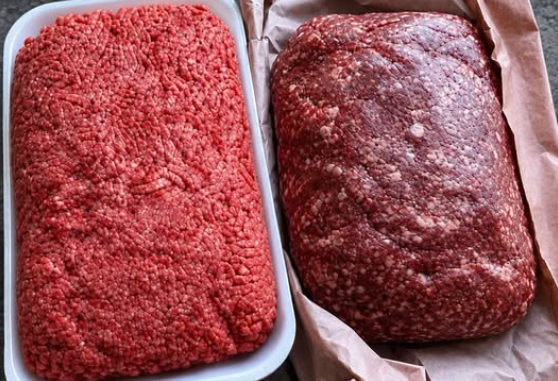
Buying meat at a supermarket often seems straightforward. Shoppers choose a package, check the price and expiration information, and take it home.
But headlines about mislabeled meat, questionable sourcing, or food safety problems can quickly create uncertainty. When a story suggests that consumers have been deliberately misled, it is important to separate confirmed information from speculation.
Food-labeling problems can happen, but an incident involving one company, supplier, or product does not automatically mean that the same issue exists throughout the entire meat industry.
How Meat Reaches the Supermarket
The journey from a farm or processing facility to a supermarket shelf can involve several businesses.
Depending on the product, meat may pass through producers, processors, distributors, warehouses, retailers, and other parts of the supply chain before reaching consumers.
Each stage can involve records designed to help identify where a product came from and where it was sent.
These records become particularly important when a food-safety or labeling problem is discovered.
Investigators can use traceability information to determine which products may have been affected and which businesses handled them.
What Meat Labels Tell Consumers
Packaging can contain a variety of information, including the product name, weight, handling instructions, use-by or sell-by dates, establishment information, and statements about where the product was produced or processed.
Some labels also include claims related to production methods or other characteristics.
Consumers should remember that different labels communicate different things. A statement about where meat was processed, for example, may not mean the same thing as a statement about where the animal was raised.
Understanding the wording on packaging can therefore help shoppers avoid making assumptions about what a particular label means.
What Happens When a Labeling Problem Is Discovered?
If authorities or a company identify a legitimate problem, the response can vary depending on its nature.
Products may be removed from stores, corrected labels may be issued, or a recall may be announced when a food-safety concern exists.
In other situations, regulators may investigate whether labeling requirements were followed and whether additional action is necessary.
Official notices typically provide important details such as the product name, identifying information, dates, affected locations, and instructions for consumers.
Those details are much more useful than vague claims circulating online.
Why Traceability Matters
Traceability is an important part of modern food safety.
If a problem is discovered, investigators need to determine where the product originated and which other products might have been affected.
Accurate records can help narrow the investigation and reduce unnecessary disruption.
For consumers, this means that a product-specific warning does not necessarily indicate a widespread problem.
A recall involving one item should be understood within the specific information provided by the relevant food-safety authority.
Be Careful With Viral Food Headlines
Food-related stories often attract attention because people naturally want to know whether the products they purchase are safe.
However, sensational headlines can leave out important context.
A claim that “supermarket meat is being secretly mislabeled,” for example, is very different from a documented notice concerning a particular product from a specific supplier.
Before believing or sharing such a claim, consumers can look for several basic details:
- Which product is involved?
- Which company or supplier produced it?
- When was it sold or distributed?
- What specific problem was identified?
- Which regulator or official organization issued the information?
- Is there a recall or other official notice?
If these details are missing, it is worth approaching the story cautiously.
What Shoppers Can Do
Consumers do not need to become food-industry experts to make informed decisions.
Checking packaging before purchasing is a simple first step. Shoppers can look at product information, dates, storage instructions, and any applicable identification numbers.
When a food-safety story appears online, checking the website of the relevant food regulator can provide more reliable information than relying on social-media posts or screenshots.
It is also useful to pay attention to dates.
Food warnings and recalls can continue circulating online long after they were originally issued. A post that appears new may actually be referring to an older event that has already been resolved.
When a Recall Is Confirmed
If an official recall applies to a product you have purchased, follow the instructions provided by the relevant authority or manufacturer.
Depending on the reason for the recall, consumers may be advised to return the product, dispose of it, or avoid consuming it.
Food should also be handled and stored according to the instructions on its packaging. Proper refrigeration, cooking, and prevention of cross-contamination remain important parts of everyday food safety.
Trust Comes From Verifiable Information
Concerns about food labeling and sourcing are understandable. Consumers have every reason to want accurate information about what they purchase and serve to their families.
But protecting that trust requires reliable evidence.
One confirmed labeling problem does not prove that an entire industry is engaging in deception. Likewise, an alarming social-media post is not the same as an official recall or documented investigation.
The most useful approach is to look beyond the headline.
Check the product, company, date, official notice, and supporting information. If the details cannot be verified, waiting for reliable information is better than spreading an unconfirmed claim.
Ultimately, informed consumers do not need to panic every time a disturbing food story appears online. They simply need to know where to look for trustworthy information—and to understand that specific evidence matters when evaluating claims about the food on supermarket shelves.
Leave a Reply