
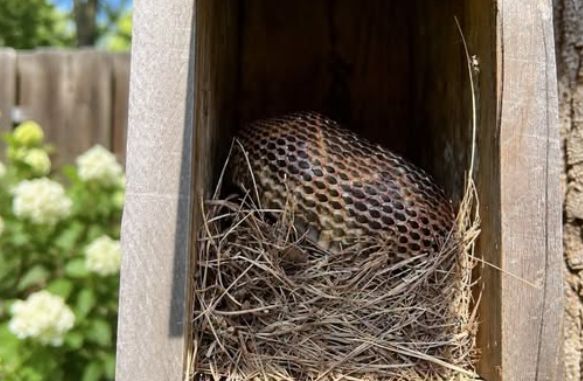
Finding a snake in the yard can be an unsettling experience, especially when it appears near a patio, garden, walkway, or other area where people spend time. While snakes generally avoid unnecessary contact with humans, certain yard conditions can make an outdoor space more attractive to them.
The good news is that homeowners can often make their property less appealing to snakes by reducing hiding places, limiting sources of food, and maintaining the surrounding landscape.
Why Snakes May Enter a Yard
Snakes do not usually visit a property without a reason. They may be looking for shelter, food, water, or a suitable place to move through the landscape.
Tall grass and dense vegetation provide cover, allowing snakes to move without being easily noticed. Overgrown areas can also support mice, insects, frogs, and other small animals that some snake species feed on.
This means that managing the yard can sometimes address several potential attractions at the same time.
Keep Grass and Vegetation Under Control
Regularly mowing grass and trimming vegetation can make areas around the home easier to inspect.
Pay particular attention to places where people frequently walk or spend time, including:
- Patios and decks
- Walkways
- Children’s play areas
- Garden paths
- Areas surrounding sheds
- Spaces around outdoor equipment
Keeping these areas relatively open does not guarantee that snakes will stay away, but it can reduce the amount of cover available to them.
Dense shrubs and vegetation farther from the house may still provide valuable habitat for wildlife, so homeowners do not necessarily need to remove every natural area from their property.
Remove Unnecessary Hiding Places
Snakes can take advantage of many objects that provide shelter close to the ground.
Stacks of lumber, piles of leaves, rocks, unused equipment, cardboard, and other outdoor clutter can create spaces where wildlife can hide.
Keeping the yard organized and removing materials that are no longer needed can reduce potential shelter.
Firewood is another consideration. Keeping it neatly stacked and elevated where practical can make the area easier to inspect and less suitable as a hiding place for small animals.
Pay Attention to Rodents
Food availability can be one of the most important factors influencing wildlife activity around a home.
Bird feeders, outdoor pet food, unsecured garbage, and poorly managed compost can attract rodents and other small animals. In turn, those animals may attract predators, including certain species of snakes.
Homeowners who frequently notice rodents around their property may therefore want to address the rodent problem rather than focusing exclusively on snakes.
Cleaning spilled birdseed, securing garbage containers, and storing animal food properly can help reduce unwanted wildlife activity.
Reduce Standing Water
Water can attract a variety of animals.
Leaking outdoor faucets, poorly draining areas, clogged gutters, and containers that collect rainwater can provide opportunities for insects, frogs, and other wildlife to gather.
Depending on the species found in a particular region, those animals may become part of the local food chain.
Fixing leaks and improving drainage can therefore make the yard less attractive to a variety of unwanted visitors.
Check Around the House
Snakes are capable of using surprisingly small openings to move between outdoor and indoor areas.
Homeowners should periodically inspect areas around doors, vents, foundations, pipes, and other potential entry points.
Weather stripping and appropriate sealing materials can help close gaps around doors and other openings. However, ventilation systems and other necessary openings should never be blocked in a way that creates a safety or building-maintenance problem.
A professional can help identify and address difficult-to-seal entry points.
Keep Garages and Sheds Organized
Garages, sheds, and other outdoor structures can become attractive shelter for both snakes and the animals they hunt.
Keeping these spaces organized makes it easier to notice signs of wildlife activity.
Boxes should be stored neatly, unnecessary clutter should be removed, and doors should remain properly closed when the structure is not being used.
It is also useful to avoid creating piles of materials directly against exterior walls.
What About Snake Repellents?
There are many products and household remedies promoted as ways to repel snakes. However, their effectiveness can vary, and no single product should be viewed as a guaranteed solution.
Instead of relying entirely on strong chemicals or homemade mixtures, homeowners can focus on environmental changes.
Reducing food sources, eliminating unnecessary shelter, managing vegetation, and closing potential entry points addresses the conditions that may attract wildlife in the first place.
What to Do If You See a Snake
The safest approach when encountering a snake is to give it plenty of space.
Do not attempt to grab, corner, trap, or kill the animal. Many bites occur when people try to handle or disturb snakes.
Instead, move children and pets away from the area and allow the snake an opportunity to leave.
If a snake has entered a building or is in a location where people cannot safely avoid it, contacting a qualified local wildlife professional can be a better option than attempting to remove it yourself.
Learn Which Snakes Live in Your Area
Not every snake presents the same level of concern.
Many snake species are harmless to people and can even play a useful role in the ecosystem by feeding on rodents and other animals. Other species can pose a genuine safety risk.
Learning to recognize common local species can help homeowners respond appropriately.
If identification is uncertain, maintaining distance is the safest choice. A photograph taken from a safe distance can sometimes help a local wildlife expert identify the animal without requiring anyone to approach it.
A Yard Doesn’t Have to Be Wildlife-Free
It is important to remember that the goal is not necessarily to eliminate every wild animal from a property.
Snakes and other wildlife are part of local ecosystems. A well-maintained yard can still support birds, insects, pollinators, and other beneficial species.
The goal is simply to reduce conditions that encourage wildlife to gather close to homes and high-use areas.
A few practical changes can make a noticeable difference without turning the entire property into an artificial environment.
Final Thoughts
Snakes generally have little reason to approach people, but yards can sometimes provide the combination of shelter, food, and water that makes an area attractive to wildlife.
Keeping grass maintained, reducing clutter, managing rodents, eliminating standing water, and sealing potential entry points can help make residential areas less appealing to unwanted visitors.
Most importantly, anyone who encounters a snake should keep a safe distance and avoid attempting to handle it.
A little prevention and a calm response can go a long way toward making outdoor spaces safer and more comfortable for both people and wildlife.
Leave a Reply