
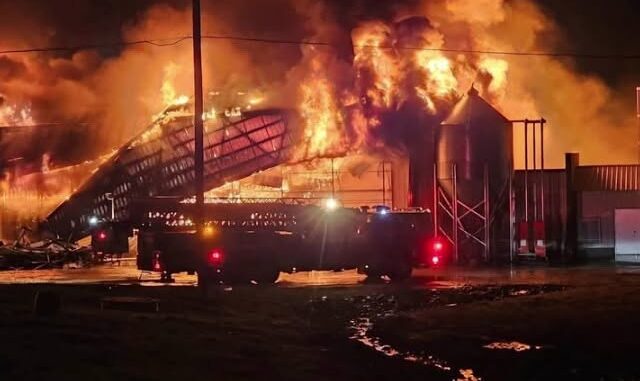
In recent weeks, a major fire occurred in the Pamplona Alta area within the San Juan de Miraflores district of Lima, Peru. This densely populated urban neighborhood faced severe challenges as the fire spread rapidly through residential structures. The event prompted a swift emergency response and has since triggered ongoing investigations and community recovery efforts. This article provides an in-depth look at the incident’s progression, the response by emergency services, the challenges encountered, and the broader implications for fire safety and community resilience.
Overview of the Incident
The fire originated in the southern district of Lima known as Pamplona Alta, an area characterized by closely situated homes and high population density. The flames quickly escalated from a localized spot to a significant urban fire, affecting a large number of residences. Thick smoke and intense heat were visible well beyond the immediate vicinity, underscoring the fire’s scale.
Residents reported hearing emergency sirens soon after the fire began and witnessing firefighters arriving promptly on the scene. Despite their efforts, the rapid spread of the fire posed substantial difficulties in containment. The proximity of buildings and the materials used in construction contributed to the fire’s swift expansion, complicating firefighting efforts.
Emergency Response and Operations
Multiple firefighting units were mobilized in response to the emergency. Coordination among various agencies was essential to manage resources effectively, including water supply, specialized equipment, and personnel deployment. The primary focus was to prevent further spread to adjacent neighborhoods and to safeguard lives.
Firefighters worked under challenging conditions, battling intense heat and navigating narrow streets crowded with residential structures. Emergency medical teams were also on-site to assist individuals affected by smoke inhalation or other health concerns during evacuation.
The evacuation process was rapid, with hundreds of families required to leave their homes with minimal notice. Open public spaces served as temporary gathering points, where displaced residents awaited further instructions and assistance.
Challenges Specific to Urban Fires
Urban fires, particularly in densely packed neighborhoods, present unique obstacles. When homes are built in close proximity, radiant heat and flying embers can ignite neighboring buildings quickly. Construction materials such as wood and certain composites may further accelerate fire spread.
Firefighters must balance aggressive suppression tactics with safety considerations, often working to establish containment lines while simultaneously conducting search and rescue operations. Access to water and the ability to maneuver firefighting apparatus in tight urban layouts can also limit operational efficiency.
These factors underscore the importance of urban planning and fire safety regulations aimed at minimizing fire risk in densely inhabited areas.
Investigation into Fire Origins
Authorities have initiated a thorough investigation to ascertain the cause of the fire. Determining the origin of such a large-scale incident involves collecting physical evidence, interviewing witnesses, and analyzing environmental conditions.
Investigators emphasize the need for a careful, methodical approach to avoid premature conclusions. The findings will be crucial for informing future prevention strategies and community safety measures.
Community Mobilization and Support
In the aftermath of the fire, local organizations, volunteers, and government representatives have worked collaboratively to provide relief to those affected. Immediate needs such as shelter, food, clothing, and basic supplies have been addressed through coordinated efforts.
Community solidarity has been evident, with residents coming together to support displaced families and rebuild social networks disrupted by the disaster. Public officials have encouraged ongoing support and communication through official channels to ensure effective assistance.
The Role of Fire Safety Awareness
Events like this highlight the critical importance of fire safety education and preparedness. Residents in high-risk areas are encouraged to maintain safe electrical systems, adhere to local building codes, and implement preventive measures such as smoke detectors.
Developing household evacuation plans, identifying emergency exits, and conducting regular drills can improve readiness and reduce potential harm during emergencies. Public awareness campaigns and community engagement remain key components in fostering resilient neighborhoods.
Recovery and Long-Term Planning
As immediate emergency operations conclude, attention is shifting toward recovery and rebuilding. This phase involves assessing damages, facilitating access to housing and financial assistance, and supporting mental health and social services.
Recovery from significant urban fires is often a complex and extended process, requiring collaboration between government agencies, non-profit organizations, and the affected community members.
Long-term planning may also involve revisiting urban design and infrastructure to enhance fire resistance and improve emergency response capabilities.
Lessons Learned and Future Considerations
The Pamplona Alta fire serves as a case study for understanding the dynamics of urban fires in densely populated settings. It underscores the necessity for comprehensive fire prevention strategies, robust emergency response frameworks, and community involvement.
Investments in infrastructure, training for emergency personnel, and public education can mitigate the impacts of similar incidents in the future. Additionally, fostering a culture of preparedness within neighborhoods can empower residents to act effectively during crises.
Conclusion
The recent fire in Pamplona Alta has had a profound impact on the local community, displacing hundreds of families and challenging emergency services in their response efforts. While investigations continue to determine the fire’s cause, the collective response of firefighters, volunteers, officials, and residents highlights the resilience and solidarity inherent in urban communities.
Moving forward, emphasis on fire safety awareness, preparedness, and recovery support will be essential to help affected families rebuild and to reduce risks in similar urban environments. The experience serves as a reminder of the importance of coordinated action and community strength in facing such emergencies.
Historical Context of Urban Fires in Lima
Urban fires have historically posed significant challenges in Lima, a city marked by rapid population growth and varying levels of infrastructure development. In past decades, several neighborhoods similar to Pamplona Alta have experienced fires exacerbated by factors such as informal housing, limited access to fire prevention resources, and dense construction. Understanding this historical backdrop helps frame the current incident within ongoing urban development and public safety efforts. It also highlights the importance of sustained investment in fire prevention infrastructure and community education to address systemic vulnerabilities.
The Role of Urban Planning and Infrastructure in Fire Prevention
Urban planning plays a crucial role in mitigating fire risks, especially in densely populated areas like Pamplona Alta. Proper zoning regulations, building codes, and infrastructure design can significantly reduce the likelihood and impact of fires. This includes ensuring adequate spacing between buildings, the use of fire-resistant construction materials, and the availability of accessible roads for emergency vehicles. Moreover, reliable water supply systems and strategically placed fire hydrants are essential components that support firefighting operations. Strengthening these aspects requires collaboration between municipal authorities, urban planners, engineers, and community members to create safer living environments.
Capacity Building for Emergency Responders
The complexity of urban fires necessitates continuous training and capacity building for emergency responders. Firefighters and medical teams benefit from specialized programs that focus on urban firefighting tactics, search and rescue operations, and disaster medical response. Additionally, inter-agency coordination exercises enhance communication and operational efficiency during emergencies. Investing in modern firefighting equipment and technologies—such as thermal imaging cameras, drones for aerial assessment, and improved protective gear—can further empower responders to manage incidents effectively. These efforts contribute to reducing response times and minimizing damage in future emergencies.
Community Engagement in Disaster Preparedness
Empowering communities to participate actively in disaster preparedness is vital for resilience. Local initiatives that foster awareness about fire risks and promote preventive behaviors can have lasting impacts. Community workshops, school programs, and neighborhood committees serve as platforms for disseminating information on fire safety practices and emergency procedures. Encouraging residents to develop family evacuation plans and establish neighborhood support networks enhances collective readiness. Furthermore, involving community members in drills and simulation exercises helps familiarize them with response protocols, reducing panic and confusion during real events.
Mental Health and Psychosocial Support in Disaster Recovery
Beyond physical recovery, addressing the mental health needs of affected individuals is a critical component of disaster response. Experiencing a fire and displacement can lead to stress, anxiety, and trauma among residents. Providing access to psychosocial support services, including counseling and community support groups, assists individuals and families in coping with the aftermath. Integrating mental health care into recovery programs facilitates holistic rehabilitation and promotes long-term well-being. Collaboration between health professionals, social workers, and community organizations ensures that these services are accessible and culturally appropriate.
The Importance of Accurate Information and Media Literacy
During and after emergencies, the flow of information plays a pivotal role in shaping public perception and response. Reliable, fact-based reporting helps prevent misinformation that can cause unnecessary alarm or hinder relief efforts. Authorities and media outlets share responsibility in delivering timely updates and clarifying ongoing developments. Encouraging media literacy among the public enables individuals to critically assess information sources and avoid the spread of rumors. This is particularly important in the digital age, where social media platforms can rapidly amplify both accurate news and misinformation.
Environmental Impact Considerations
Large urban fires can have environmental consequences that extend beyond immediate property damage. The release of smoke and pollutants affects air quality, potentially impacting respiratory health in surrounding areas. Additionally, the destruction of vegetation and soil contamination from firefighting chemicals may influence local ecosystems. Assessing and mitigating these environmental impacts is an integral part of post-disaster management. Coordinated efforts involving environmental agencies can support monitoring and remediation activities to restore affected areas.
The Role of Technology in Enhancing Fire Safety
Advancements in technology offer promising tools for improving fire safety and emergency response. Early warning systems using sensors and alarms can detect fires promptly, triggering faster interventions. Geographic Information Systems (GIS) and mapping software assist in planning evacuation routes and resource allocation. Mobile applications provide platforms for community alerts and communication during crises. Furthermore, data analytics enable authorities to analyze fire patterns and identify high-risk zones, guiding preventive measures. Integrating these technologies requires investment and training but holds potential for reducing fire-related risks.
Building Resilient Communities Through Collaboration
The experience in Pamplona Alta underscores the value of collaborative approaches to disaster risk reduction. Partnerships among government agencies, non-governmental organizations, private sector entities, and residents create a network of resources and expertise. Such collaboration facilitates comprehensive strategies that encompass prevention, response, recovery, and mitigation. Community resilience is strengthened when diverse stakeholders contribute to shared goals, fostering trust and collective responsibility. This approach also promotes adaptability, enabling communities to better withstand and recover from future emergencies.
Summary and Key Takeaways for Readers
The significant fire in Lima’s Pamplona Alta neighborhood highlights multiple facets of urban fire risk and response. Key lessons include the necessity of effective urban planning, robust emergency services, active community participation, and continuous education on fire safety. Mental health support and environmental considerations are integral to comprehensive recovery. Leveraging technology and fostering collaboration among stakeholders enhances preparedness and resilience. For individuals, adopting preventive measures and staying informed through credible sources can make a meaningful difference. Ultimately, the Pamplona Alta incident serves as a reminder of the interconnected efforts required to safeguard urban communities against fire hazards.
Economic Implications of Urban Fires
Beyond the immediate human and structural impact, urban fires like the one in Pamplona Alta carry significant economic consequences for affected families and the broader community. Property damage can lead to substantial financial losses, especially for households without adequate insurance coverage. Local businesses, if affected, may face interruptions that impact livelihoods and the neighborhood economy. Recovery efforts often require considerable public and private funding, underscoring the importance of economic resilience planning as part of disaster preparedness strategies.
Insurance penetration in urban areas with informal or mixed housing can be low, which complicates the financial recovery for many families. Encouraging the development of accessible insurance products tailored to vulnerable communities can mitigate economic shocks from such disasters. Additionally, government assistance programs and microfinance initiatives can provide vital support during rebuilding phases.
The Role of Education and Training in Fire Prevention
Education and training programs targeted at residents, especially in high-risk areas, are crucial in reducing fire incidents. These programs can cover practical topics such as safe use of electrical appliances, proper storage of flammable materials, and correct maintenance of cooking equipment. Schools and community centers serve as effective venues for disseminating this knowledge, fostering a culture of safety from an early age.
Furthermore, training local volunteers as community fire wardens or safety ambassadors empowers residents to take proactive roles in fire prevention and emergency response. Such grassroots involvement enhances awareness and can improve the speed and effectiveness of initial actions during a fire outbreak.
Importance of Infrastructure Maintenance and Urban Services
Regular maintenance of critical infrastructure, including electrical grids and water supply systems, plays a preventive role in reducing fire risks. Faulty wiring or overloaded circuits are common sources of urban fires, so ensuring that electrical installations meet safety standards is essential. Similarly, maintaining reliable water pressure and availability at fire hydrants facilitates firefighting efforts.
Municipal services responsible for waste management and clearing of combustible debris also contribute to fire risk reduction by minimizing potential fuel sources around homes and public spaces. Coordinated urban services and community cooperation are necessary to sustain safe living environments.
Building a Culture of Preparedness and Resilience
Developing a sustained culture of preparedness involves ongoing engagement from all community sectors. Public campaigns should emphasize the importance of not only preventing fires but also being ready to respond effectively when they occur. This includes practicing evacuation drills, maintaining accessible emergency kits, and establishing clear communication channels within neighborhoods.
Resilience is further supported by fostering social cohesion where neighbors assist one another during crises. Networks of mutual aid can facilitate quicker recovery and reduce isolation of vulnerable groups such as the elderly or persons with disabilities.
Promoting Policy Support and Legislative Frameworks
Effective fire risk management requires supportive policies and legislative frameworks that enforce safety regulations and incentivize compliance. Governments can promote safer construction practices through building codes that mandate fire-resistant materials and adequate spacing between structures.
Additionally, policies that support funding for emergency services, community education programs, and infrastructure improvements are vital. Transparent monitoring and enforcement mechanisms help ensure that standards are met, ultimately protecting lives and property.
Encouraging Research and Innovation in Fire Safety
Ongoing research into fire behavior, urban vulnerabilities, and effective mitigation techniques contributes to evolving best practices. Collaboration between academic institutions, government agencies, and industry can drive innovation in fire detection technologies, firefighting equipment, and urban design.
Innovation in materials science, such as development of fire-retardant building products, and in information technology, like real-time fire monitoring systems, holds promise for enhancing safety. Supporting these research initiatives is a forward-looking approach to reducing future fire risks.
In summary, the fire in Pamplona Alta not only highlights immediate challenges but also underscores the multifaceted nature of urban fire risk management. Addressing economic impacts, education, infrastructure, community resilience, policy, and innovation collectively strengthens the capacity to prevent and respond to urban fires, fostering safer and more sustainable communities.
Leave a Reply