
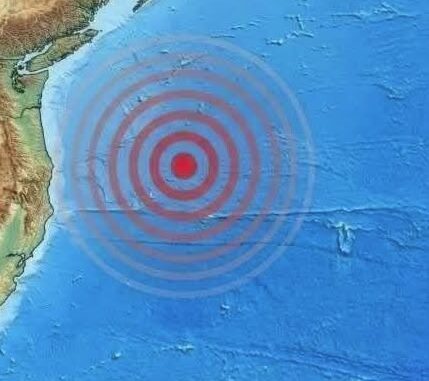
Natural disasters such as earthquakes have profound impacts on urban environments and human communities. When the earth shakes beneath a city, the immediate moments are filled with uncertainty and fear. However, as the tremors subside, a complex process of assessment, recovery, and adaptation begins. This article examines the multifaceted experience of a city after an earthquake — from the structural damage and public safety concerns to the subtle natural indicators and the powerful human responses that help define resilience.
The Initial Impact and Community Response
In the immediate aftermath of seismic activity, residents often remain outdoors, reluctant to return inside structures that may no longer feel safe. The streets become gathering places, where people share information, check on loved ones, and collectively process the event. This spontaneous congregation fosters a renewed sense of community, as neighbors who may have been strangers before find common ground in their shared experience.
Families take extra care to account for children and vulnerable members, often repeating headcounts as a precaution against the chaos of the moment. Conversations circulate about the safety of buildings, the availability of emergency services, and the condition of critical infrastructure. These discussions, while sometimes fueled by uncertainty or rumors, play a role in collective coping and information dissemination.
Assessing Structural Integrity and Public Safety
Engineers and emergency response teams quickly mobilize to evaluate the safety of bridges, roads, and buildings. Their assessments are crucial in determining which areas can be safely accessed and which require evacuation or repair. Medical personnel attend to injuries ranging from minor sprains to more serious conditions, often working under challenging circumstances due to disruptions in infrastructure.
Hospitals and emergency centers become focal points of activity, yet they can also face operational challenges such as power outages or overcrowding. Communication between agencies and the public is vital in coordinating relief efforts and ensuring that resources are allocated effectively.
Natural Signs in the Post-Earthquake Environment
Beyond the immediate human and structural impacts, natural phenomena often manifest in ways that capture attention. For instance, unusual patterns may appear on surfaces throughout the city—white streaks or stains that could be mistaken for debris or dust but are in fact traces left by local wildlife. Birds, such as vultures, may become more visible as they circle open areas or perch on buildings, their presence and markings offering subtle reminders of the ongoing interaction between urban life and nature.
These natural signs, while sometimes overlooked, contribute to the narrative of recovery and continuity. They symbolize how life adapts and persists amid disruption, bridging the gap between the human experience and the broader ecosystem.
The Role of Urban Infrastructure and Preparedness
Earthquakes expose vulnerabilities in city infrastructure, emphasizing the importance of preparedness and resilient design. Retrofitting buildings, enforcing construction codes, and maintaining emergency response plans are critical components of minimizing damage and safeguarding lives.
Public education campaigns also play a significant role in equipping residents with the knowledge and tools necessary to respond effectively during and after seismic events. Drills, informational resources, and community engagement initiatives can enhance awareness and readiness.
Psychological and Social Dimensions of Recovery
The emotional impact of earthquakes extends beyond physical injuries and property damage. Anxiety, trauma, and uncertainty can affect individuals and communities, influencing social dynamics and mental health.
Support networks, including family, friends, community groups, and professional services, contribute to emotional resilience. Open communication, shared experiences, and collective problem-solving help rebuild a sense of normalcy and security.
Long-Term Recovery and Lessons Learned
Reconstruction and rehabilitation efforts often span months or years, involving collaboration among government agencies, non-profit organizations, and the affected population. These processes offer opportunities to incorporate lessons learned, improve infrastructure, and enhance disaster preparedness.
Investing in resilient urban planning, sustainable development, and inclusive policies helps build cities that can better withstand future seismic events. Moreover, fostering community cohesion and adaptive capacities ensures that populations are not only physically but also socially prepared.
Conclusion
An earthquake’s impact extends well beyond the initial shaking. The aftermath reveals the intricate interplay between physical structures, natural elements, and human responses. Observing how a city and its inhabitants navigate this challenging period provides valuable insights into resilience, adaptation, and the enduring spirit of life amid uncertainty. As urban areas continue to grow and face environmental risks, understanding these dynamics is essential for creating safer, more responsive communities.
Economic and Social Impacts on Urban Communities
Earthquakes not only cause immediate physical damage but also have lasting economic and social effects on affected communities. Businesses may face closures due to damaged premises or disrupted supply chains, leading to loss of income and employment. Small enterprises, which often lack the resources to recover quickly, can be particularly vulnerable, affecting local economies and community livelihoods. Social services, including education and public transportation, may experience interruptions, further complicating daily life and access to essential resources.
Recovery efforts, therefore, must address these broader socioeconomic dimensions. Community leaders and policymakers often work to implement support programs that aid affected populations, such as financial assistance, temporary housing, and job creation initiatives. These measures assist in stabilizing the community and laying the foundation for longer-term recovery.
Environmental Considerations in Post-Earthquake Recovery
The environmental consequences of earthquakes are an important, sometimes overlooked aspect of disaster impact. Ground shaking can trigger landslides, soil liquefaction, and changes in groundwater flow, which may affect local ecosystems and water quality. Additionally, damaged infrastructure such as pipelines and storage facilities can lead to leaks or contamination incidents.
Post-earthquake assessments often include environmental monitoring to identify and mitigate potential hazards. Restoration of green spaces and natural habitats is also a component of recovery, as these areas contribute to urban resilience by supporting biodiversity, improving air quality, and providing recreational spaces that enhance community well-being.
The Importance of Cultural Heritage Preservation
Many urban areas affected by earthquakes possess significant cultural heritage, including historic buildings, monuments, and public art. These elements contribute to a community’s identity and sense of place. Earthquake damage to such sites can represent a loss not only of physical structures but also of cultural continuity.
Preservation and restoration efforts require specialized expertise, balancing safety requirements with conservation goals. International guidelines and local policies aim to protect heritage while adapting structures to withstand future seismic events. Engaging communities in these efforts fosters appreciation and collective responsibility for cultural assets.
Technological Innovations in Earthquake Response and Preparedness
Advancements in technology have transformed how cities prepare for and respond to earthquakes. Early warning systems, which detect seismic activity and alert populations seconds before shaking begins, can reduce injuries and damage by providing crucial reaction time. Smartphone applications and social media platforms facilitate rapid information sharing and coordination among residents and responders.
Remote sensing technologies, such as satellite imagery and drones, assist in damage assessment and resource allocation by providing real-time data over large areas. Additionally, structural health monitoring systems integrated into critical infrastructure enable continuous evaluation of building integrity.
Training and capacity building using virtual reality and simulation exercises enhance preparedness by allowing responders and the public to practice emergency scenarios in safe environments.
Community Engagement and Empowerment
Effective earthquake resilience relies heavily on community participation. Empowering residents to take an active role in preparedness and recovery strengthens social bonds and enhances collective efficacy. Community-based organizations often serve as vital connectors, facilitating communication between authorities and citizens.
Educational programs tailored to diverse populations, including children, elderly individuals, and persons with disabilities, ensure inclusivity in disaster readiness. Encouraging volunteerism and local leadership development builds a robust network of support that can mobilize quickly when needed.
Psychosocial Support and Mental Health Services
Addressing the psychological aftermath of earthquakes is critical for holistic recovery. Trauma, stress, and grief can have enduring effects on individuals and communities. Mental health services, including counseling and peer support groups, provide avenues for healing and resilience.
Integrating psychosocial support into emergency response plans and community initiatives helps normalize conversations about mental health and reduces stigma. Training first responders and community volunteers to recognize signs of distress ensures timely referrals and interventions.
Future Directions: Building Earthquake-Resilient Cities
As urban populations continue to grow, the importance of designing and maintaining earthquake-resilient cities becomes increasingly urgent. This includes adopting innovative engineering solutions, enforcing stringent building codes, and incorporating disaster risk reduction into urban planning.
Multidisciplinary collaboration among engineers, urban planners, policymakers, social scientists, and community members fosters comprehensive strategies that address technical, social, and environmental dimensions. Emphasizing sustainability and equity ensures that resilience benefits all residents, particularly vulnerable groups.
Global knowledge exchange and participation in international frameworks, such as the Sendai Framework for Disaster Risk Reduction, support continuous improvement and shared learning.
Reader Takeaways
Understanding the multifaceted impacts of earthquakes extends beyond the immediate physical destruction. Recognizing the interplay of economic, social, environmental, cultural, technological, and psychological factors enriches our perspective on disaster resilience.
Preparedness is a collective responsibility involving individuals, communities, professionals, and governments. Engaging with reliable information, participating in local initiatives, and advocating for resilient policies contribute to safer urban environments.
Observing and learning from the experiences of affected cities worldwide provides valuable insights into adaptation and recovery processes. Ultimately, fostering empathy, knowledge, and proactive engagement empowers us all to face seismic challenges with greater confidence and solidarity.
The Role of Education in Earthquake Preparedness and Recovery
Education plays a pivotal role in shaping a community’s ability to prepare for and recover from earthquakes. Schools serve not only as centers for learning but also as hubs for disseminating vital information about disaster risk reduction. Integrating earthquake preparedness into school curricula helps children understand the science behind earthquakes, recognize early warning signs, and practice safety measures such as “Drop, Cover, and Hold On.” These lessons foster a culture of readiness that students can carry into their homes and communities.
Beyond formal education, public awareness campaigns contribute significantly to community resilience. Governments and non-profit organizations often develop multilingual resources tailored to diverse populations, ensuring accessibility for all residents, including those with limited literacy or different cultural backgrounds. These initiatives may include workshops, informational pamphlets, and multimedia content distributed via radio, television, and social media platforms.
Moreover, adult education programs focused on practical skills—such as first aid, emergency communication, and evacuation planning—empower individuals to act confidently during crises. Continuous training and community drills reinforce knowledge and help identify gaps in preparedness, allowing for timely improvements.
The Intersection of Climate Change and Seismic Risk
While earthquakes themselves are geological phenomena, the broader context of climate change can indirectly influence the challenges faced by affected communities. For example, changing weather patterns may exacerbate the vulnerability of damaged infrastructure by increasing the likelihood of flooding or landslides in earthquake-impacted areas. This intersection creates complex scenarios for emergency management and urban planning.
In some regions, the combination of seismic activity and climate-related hazards can strain resources and complicate recovery efforts. Addressing these overlapping risks requires integrated approaches that consider both natural and environmental factors. Urban planners and policymakers are increasingly adopting holistic frameworks that incorporate seismic resilience alongside climate adaptation strategies.
Sustainable rebuilding practices, such as using locally sourced and eco-friendly materials, can reduce environmental footprints while enhancing structural integrity. Furthermore, preserving and restoring natural buffers like wetlands and forests can mitigate secondary hazards and support biodiversity.
The Importance of Inclusive Disaster Management
Disaster management must be inclusive to effectively serve all members of a community. Vulnerable groups—including the elderly, persons with disabilities, children, and marginalized populations—often face disproportionate risks during and after earthquakes due to barriers in communication, mobility, and access to resources.
Inclusive disaster preparedness involves tailoring plans and services to meet diverse needs. For instance, emergency alerts should be accessible in multiple formats, including sign language, braille, and easy-to-understand language. Evacuation routes and shelters must accommodate mobility aids and consider the safety of caregivers and dependents.
Community participation in planning processes ensures that the voices of vulnerable groups inform decision-making. This collaborative approach helps identify potential gaps and fosters trust between authorities and residents. Training programs can also teach responders how to recognize and address specific challenges faced by different populations.
Promoting social equity in disaster response contributes to more effective and just outcomes, strengthening overall community resilience.
The Role of International Cooperation and Aid
Earthquakes often prompt international cooperation, with countries, organizations, and experts offering technical assistance, humanitarian aid, and knowledge exchange. Global networks facilitate the sharing of best practices, research findings, and innovative technologies that enhance earthquake preparedness and response worldwide.
International frameworks, such as the Sendai Framework for Disaster Risk Reduction, provide guidelines for reducing disaster risks and building resilient communities. Participation in such frameworks encourages countries to align policies and investments with global standards.
In times of crisis, coordinated aid efforts help mobilize resources quickly, including medical supplies, search and rescue teams, and financial support. However, effective aid requires sensitivity to local contexts and priorities to ensure that assistance aligns with community needs and promotes sustainable recovery.
Capacity building initiatives supported by international partners aim to strengthen local institutions and empower communities to manage disasters independently over time.
Advancing Research and Innovation in Seismology
Ongoing research in seismology and earthquake engineering continues to deepen understanding of seismic phenomena and improve mitigation strategies. Scientists study fault lines, ground motion patterns, and aftershock sequences to refine risk assessments and forecasting models.
Innovations in sensor technology and data analytics enable more precise monitoring of seismic activity. Machine learning algorithms assist in interpreting complex datasets, potentially enhancing early warning capabilities and damage predictions.
Collaborative research involving multidisciplinary teams—including geologists, engineers, social scientists, and urban planners—facilitates comprehensive approaches to earthquake resilience.
Public access to scientific information promotes informed decision-making and encourages community engagement in preparedness efforts.
Reader Takeaways
The experience of urban communities facing earthquakes reveals a tapestry of challenges and responses that extend beyond the immediate physical event. Education, inclusivity, environmental stewardship, international cooperation, and scientific advancement all play vital roles in fostering resilient cities.
Readers are encouraged to recognize the multifaceted nature of earthquake preparedness and recovery, appreciating the interconnectedness of social, economic, environmental, and technological factors. By supporting holistic approaches and engaging in community initiatives, individuals contribute to safer and more adaptive urban environments.
Understanding that resilience is an ongoing process rather than a fixed state underscores the importance of continuous learning, collaboration, and innovation in mitigating the impacts of future seismic events.
Leave a Reply