
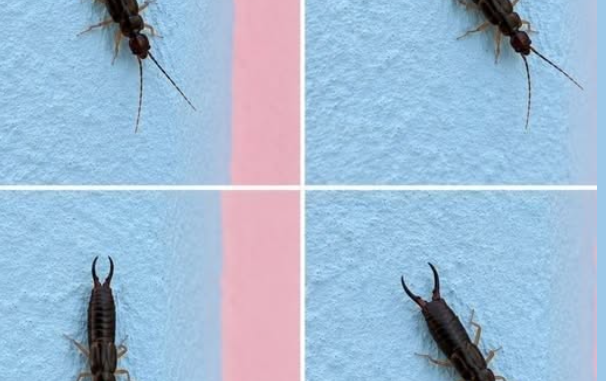
Finding a tiny brown bug crawling across your kitchen counter can be unsettling. But before you panic or start spraying insecticide everywhere, there’s one place you should check first:
Your pantry.
Several common insects can live and reproduce inside flour, rice, cereal, pasta, nuts, spices, pet food, and other dry products.
They’re generally known as pantry pests or stored-product pests.
While discovering them isn’t pleasant, an infestation doesn’t necessarily mean your home is dirty. In many cases, the insects or their eggs were already present in a packaged product when it entered the house.
Here’s how to recognize common pantry pests and remove them safely.
1. Pantry Beetles
If you notice tiny brown beetles around kitchen cabinets, shelves, or food containers, inspect your dry foods.
Several species of small beetles can infest stored products.
Depending on the species, they may be found in:
- Flour
- Cereals
- Rice
- Pasta
- Crackers
- Spices
- Dried foods
- Pet food
Adults may eventually leave the original food package and begin appearing elsewhere in the kitchen.
Finding one doesn’t necessarily mean every product is infested, but it’s a good reason to inspect your pantry carefully.
2. Flour Beetles
Flour beetles are usually small and reddish-brown.
As their name suggests, they’re frequently associated with flour and processed grain products.
Check opened packages as well as older products that have been sitting untouched for months.
Look for live insects, unusual clumping, larvae, shed skins, or other evidence of infestation.
If a food product is clearly infested, the safest option is generally to discard it rather than trying to remove the insects and continue eating it.
3. Weevils
Some stored-food weevils are recognizable by their distinctive elongated snouts.
Rice and grain weevils can infest products such as rice, wheat, corn, and other whole grains.
One frustrating aspect of certain weevils is that their immature stages can develop inside individual grains.
By the time adults become visible, an infestation may already have been developing for some time.
If you find weevils in one package, inspect nearby grain products too.
4. Pantry Moths
Not every pantry pest is a beetle.
Indianmeal moths are among the better-known pests associated with stored foods.
Adult moths may be seen flying around the kitchen, but the larvae are responsible for contaminating food.
You may notice webbing or clumps inside products such as:
- Cereal
- Flour
- Nuts
- Seeds
- Dried fruit
- Chocolate
- Pet food
- Birdseed
Larvae can also crawl away from food and appear on walls or ceilings when they’re ready to pupate.
Seeing small moths repeatedly near your pantry is therefore worth investigating.
How Did They Get Into Your Kitchen?
People often assume pantry pests appear because a kitchen wasn’t cleaned properly.
That’s not necessarily true.
Stored-food insects can enter the home inside groceries.
A package may contain eggs or immature insects that are difficult to see at the time of purchase.
Once conditions are suitable, the insects develop and may eventually spread to nearby foods.
Some pests can also enter poorly sealed packages.
That’s why pantry pest prevention involves both cleanliness and proper food storage.
What Should You Do If You Find Them?
Don’t immediately spray pesticides around your food.
Instead, start by identifying and removing the source.
Step 1: Inspect Your Dry Foods
Take packages out of the affected cabinet.
Carefully examine flour, rice, pasta, cereal, grains, nuts, seeds, spices, dried fruit, baking mixes, and pet foods.
Don’t forget products that are rarely used.
That half-open bag of flour sitting at the back of the cabinet may be more important than the food you purchased yesterday.
Step 2: Discard Clearly Infested Products
If you find insects, larvae, webbing, or obvious contamination inside a food product, discard it.
Seal the affected product inside a bag before placing it in the trash to help prevent insects from spreading elsewhere.
If possible, take the trash outside promptly.
Avoid trying to simply remove visible insects while keeping the remaining food.
There may be eggs or larvae you can’t easily see.
Step 3: Vacuum the Pantry
Once affected foods have been removed, vacuum shelves, corners, cracks, and crevices thoroughly.
Pay special attention to areas where crumbs or flour may have accumulated.
Pantry pests can hide in surprisingly small spaces.
After vacuuming, empty the vacuum contents appropriately so insects aren’t left inside your home.
Step 4: Clean the Shelves
After vacuuming, wipe down pantry surfaces.
Regular household cleaning is usually more useful than aggressively applying chemicals around food-storage areas.
Allow shelves to dry before returning food.
And remember: never mix household cleaning chemicals unless their labels specifically say it’s safe.
Step 5: Use Airtight Containers
One of the easiest ways to prevent future problems is transferring dry foods into sturdy containers with tight-fitting lids.
Glass or durable plastic containers work well.
This provides two advantages.
First, insects have more difficulty reaching the food.
Second, if one product becomes infested, a sealed container can help limit the spread to other foods.
What About Pheromone Traps?
Pheromone traps can be useful for certain pantry moth infestations.
They attract particular adult moths and can help with monitoring.
However, traps alone usually don’t solve the underlying problem.
You still need to find and remove the infested food source.
Think of traps as one tool rather than the entire solution.
Can Freezing Dry Food Help?
Freezing can be useful for some dry products when you’re concerned about stored-product insects.
However, effective freezing time and temperature can vary depending on the pest and product.
For valuable or questionable dry goods that aren’t visibly contaminated, appropriate freezing may help manage certain insect stages.
If a package is already heavily infested, however, discarding it is usually simpler.
Don’t Forget Pet Food
This is one of the most commonly overlooked areas.
Pantry pests don’t only live in foods intended for people.
Dry dog food, cat food, birdseed, and other animal foods can also become infested.
If you’re finding insects but can’t locate the source in your kitchen cabinets, check pet-food storage areas.
Store large bags in appropriately sealed containers whenever practical.
Are Pantry Bugs Dangerous?
Common pantry pests are primarily a food-contamination and nuisance problem rather than something that should automatically cause panic.
However, food that is visibly infested shouldn’t be eaten.
The insects, larvae, webbing, waste, and damaged food make disposal the sensible choice.
People with allergies or specific health concerns should be especially cautious with contaminated foods.
Prevention Is Easier Than Another Infestation
Once your pantry is clean, a few habits can reduce the chances of another problem.
Inspect dry goods occasionally, especially products that have been stored for a long time.
Use older food before newer purchases.
Clean spills and crumbs promptly.
Keep dry products sealed.
Avoid accumulating forgotten packages at the back of cabinets.
And periodically check foods you don’t use frequently.
The longer an infested product sits undisturbed, the more opportunity insects have to multiply.
What About Bay Leaves?
Bay leaves are often recommended online as a natural pantry-pest solution.
While the aroma of certain plants may influence some insects, don’t rely on bay leaves or cedar as your primary pest-control method.
Removing contaminated food, thoroughly cleaning storage areas, and using sealed containers are much more important.
Frequently Asked Questions
Does finding pantry bugs mean my kitchen is dirty?
No. Pantry pests can arrive inside packaged groceries, even in clean homes.
Should I throw away everything?
Not necessarily.
Inspect products carefully and discard those showing clear evidence of infestation. Sealed, unaffected products may not need to be thrown away.
Can pantry pests spread?
Yes. Once adults emerge, some species can move to other food packages.
That’s why finding the original source quickly is important.
Should I spray insecticide inside my pantry?
Avoid casually spraying pesticides around food-storage areas.
If an infestation is severe or continues despite thorough cleaning and food removal, consider contacting a licensed pest-control professional who can recommend an appropriate treatment.
Final Thoughts
Seeing a tiny beetle or moth in your kitchen isn’t a reason to panic—but it is a reason to investigate.
Check flour, rice, cereal, pasta, nuts, spices, dried foods, pet food, and other pantry products for signs of insects or larvae.
Discard clearly contaminated food, vacuum and clean the cabinets, and transfer dry goods into airtight containers.
Most importantly, don’t blame yourself.
Pantry pests can appear even in clean kitchens because they sometimes arrive inside groceries.
Finding the source and acting early can usually prevent a small problem from becoming a much bigger one.
Leave a Reply