
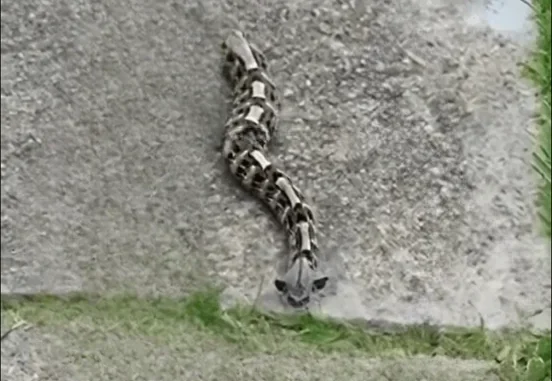
Finding a snake in your backyard can be surprising, especially when children or pets regularly spend time outdoors. Although the sight of a snake may cause concern, many species are not dangerous to humans and generally prefer to avoid contact.
Understanding why snakes visit residential properties, recognizing potential risks, and knowing how to respond can help homeowners handle these encounters safely. With a few practical precautions, it is possible to protect your household while respecting the important role snakes play in the natural environment.
Why Snakes Sometimes Appear Near Homes
Snakes are part of many local ecosystems, and their presence in residential areas is often connected to food, shelter, and suitable environmental conditions.
A backyard may offer several things that attract them. Rodents, frogs, insects, and other small animals provide potential food sources. Gardens, woodpiles, compost areas, and thick vegetation can also offer sheltered places where snakes can hide.
Weather conditions influence their movement as well. During warmer periods, snakes may become more active while searching for food, mates, or suitable places to regulate their body temperature. Rainfall and seasonal temperature changes can also influence where they travel.
Homes located near forests, fields, wetlands, streams, or other natural habitats may experience more frequent wildlife visits. In these locations, a snake passing through a garden does not necessarily mean that it has established a permanent hiding place.
Understanding Snake Behavior
Snakes are generally cautious animals that prefer to avoid larger animals and people. When they encounter humans, many will attempt to escape if given enough space.
However, a snake may become defensive if someone approaches too closely, tries to touch it, blocks its escape route, or accidentally steps near it.
Their behavior can also depend on temperature and surroundings. As cold-blooded animals, snakes rely on external heat sources to regulate their body temperature. They may be seen resting in sunny locations or moving into shaded areas when conditions become too warm.
During cooler seasons, some species become less active and seek protected locations. In regions with cold winters, certain snakes enter a period of reduced activity known as brumation.
Understanding these natural patterns can help homeowners recognize why sightings may become more common at particular times of the year.
Why Identifying a Snake Can Be Difficult
Snake species vary considerably in appearance. Some have distinctive patterns, while others have colors that allow them to blend into grass, leaves, rocks, or soil.
Unfortunately, visual identification is not always straightforward. Color, body shape, and head appearance alone may not reliably establish whether a snake is venomous.
For this reason, homeowners should avoid approaching a snake to examine it more closely.
If identification is important, local wildlife specialists or trained animal control professionals may be able to help. A photograph taken from a safe distance can sometimes provide useful information, but nobody should move closer or take unnecessary risks to obtain one.
Learning about species native to your region is also helpful. Local wildlife organizations often provide educational guides explaining which snakes are commonly encountered and what precautions residents should take.
What to Do When You Discover a Snake
The safest response is to remain calm and give the animal plenty of space.
Do not attempt to pick it up, move it with a stick, trap it, or chase it away. Even snakes that are not venomous can bite when they feel threatened.
Instead, follow a few basic precautions:
- Stop moving toward the snake and maintain a generous distance.
- Keep children and pets away from the immediate area.
- Avoid blocking the animal’s possible escape route.
- Do not attempt to capture or kill it.
- Contact a qualified wildlife professional if the snake remains in a location where people may encounter it.
If the snake is simply passing through an open part of the garden, it may leave without assistance.
If it enters a garage, shed, house, or another enclosed space, keep people and animals away and seek professional help. Avoid searching through stored belongings or attempting to force the animal out.
Making Your Backyard Less Attractive to Snakes
Although it is not possible to guarantee that snakes will never visit a property, homeowners can reduce some of the conditions that make residential yards attractive.
Regular garden maintenance is a useful starting point. Keeping grass reasonably short, trimming overgrown vegetation, and removing unnecessary debris can reduce the number of sheltered areas available to wildlife.
Woodpiles, construction materials, unused equipment, and garden supplies should be organized carefully. Whenever practical, store firewood on raised supports rather than directly on the ground.
It is also helpful to inspect areas around sheds, garages, outdoor storage spaces, and foundations. Repairing gaps and openings can reduce opportunities for snakes and other small animals to enter buildings.
These steps do not eliminate wildlife, but they can make frequently used parts of a property easier to inspect and maintain.
Managing Rodents and Other Potential Food Sources
One of the most effective ways to reduce conditions that attract snakes is to manage the animals they may hunt.
Rodents can be drawn to accessible food, overflowing garbage containers, pet food, and poorly maintained storage areas.
Homeowners can take several practical steps:
- Store food and animal feed in secure containers.
- Keep garbage bins covered.
- Clean up fallen fruit and food scraps.
- Avoid leaving pet food outdoors overnight.
- Maintain outdoor storage areas.
- Address rodent problems using appropriate, safe pest-control methods.
Reducing available food sources may make a property less attractive to some snakes.
However, homeowners should avoid using harmful chemicals or unverified snake-repellent products. Some commercially advertised deterrents may have limited evidence of effectiveness and can create additional risks for pets, children, or other wildlife.
Protecting Children and Pets
Children and pets may be particularly vulnerable during unexpected wildlife encounters because they may approach animals out of curiosity.
Parents should teach children a simple rule: never touch, approach, or attempt to move a snake. If they see one, they should walk away and tell an adult.
Outdoor play areas should be kept reasonably clear of clutter, tall grass, and unnecessary piles of materials.
Pets should also be supervised, especially in gardens or properties located near natural habitats. Dogs that investigate holes, bushes, and piles of leaves may come into contact with snakes before their owners notice the animal.
Using a leash in areas with known snake activity can reduce opportunities for pets to approach wildlife.
If a pet is suspected of being bitten, seek veterinary assistance immediately. Do not wait for symptoms to become more noticeable.
What to Do if Someone Is Bitten by a Snake
A suspected snakebite should always be treated as a medical emergency, particularly in regions where venomous species are present.
Call emergency medical services immediately and follow the instructions provided by medical professionals.
While waiting for help, the affected person should remain as calm and still as possible. Avoid unnecessary movement, remove tight jewelry or clothing near the affected area if swelling develops, and keep the bitten limb comfortably supported.
Do not attempt to cut the wound, suck out venom, apply ice, or use a tight tourniquet. These methods can cause additional harm and are not recommended.
Do not attempt to catch or kill the snake to identify it. If a photograph or description is already available from a safe distance, it may be useful to medical professionals, but obtaining one should never delay treatment.
Even when a bite appears minor, prompt medical assessment is important because symptoms and complications can vary.
The Ecological Importance of Snakes
Although snakes sometimes cause concern around homes, they perform valuable functions in natural ecosystems.
Many species help control populations of rodents and other small animals. This can benefit agricultural areas, gardens, and natural habitats.
Snakes are also part of the food chain. They provide food for certain birds, mammals, and other predators, contributing to ecological balance.
Removing or killing snakes unnecessarily can affect these natural relationships.
Understanding their ecological role encourages a more balanced approach to wildlife encounters. The goal should be to protect people and pets while avoiding unnecessary harm to animals that are simply following their natural behavior.
Local Wildlife and Environmental Conditions
Snake activity varies from one region to another. Climate, vegetation, water sources, and the availability of prey all influence which species live in a particular area.
Properties near forests, agricultural land, rocky hillsides, and waterways may be more likely to experience occasional sightings.
Urban development can also influence wildlife movement. As natural habitats change, some animals may travel through gardens and other residential spaces while searching for food or shelter.
Homeowners can learn more by consulting local environmental agencies, wildlife organizations, or qualified professionals familiar with native species.
Region-specific information is particularly important because safety recommendations and wildlife protection laws can differ between countries and local jurisdictions.
Safe Removal and Relocation
There may be situations where a snake cannot simply be left alone, particularly if it is trapped inside a building or located in an area regularly used by children or pets.
In these circumstances, professional assistance is the safest option.
Trained wildlife handlers have experience identifying species, assessing risks, and using appropriate equipment. They can determine whether removal is necessary and whether relocation is permitted under local regulations.
Homeowners should not assume that moving a snake to another location is always harmless or legally permitted. Wildlife regulations may protect certain species or restrict how and where they can be handled.
Avoiding direct contact protects both the people involved and the animal.
The Role of Neighborhood Awareness
Snake safety can also benefit from communication between neighbors.
When residents understand which species are common in their area and know how to respond to sightings, they can share useful information without creating unnecessary alarm.
Neighborhood groups may organize educational activities or distribute guidance from local wildlife professionals.
Maintaining shared green spaces, managing waste, and addressing rodent problems can also help reduce conditions that attract wildlife to frequently used residential areas.
If a snake is spotted in a public location, residents should report it through the appropriate local channels when necessary rather than attempting to capture it themselves.
Technology and Modern Wildlife Monitoring
Technology has created additional ways for communities to learn about local wildlife.
Some organizations use digital reporting systems to collect information about animal sightings. These reports can help researchers and wildlife authorities understand movement patterns and identify areas where public education may be useful.
Wildlife identification applications can also introduce users to common local species. However, automated identification should not be treated as definitive, especially when determining whether an unfamiliar snake is dangerous.
Homeowners should rely on qualified experts for important safety decisions.
Technology can support awareness, but it cannot replace caution and professional judgment during a real encounter.
Understanding Different Cultural Attitudes Toward Snakes
People have different attitudes toward snakes depending on their experiences, communities, and cultural backgrounds.
In some traditions, snakes represent renewal, wisdom, or protection. In others, they are associated with danger and are viewed with considerable fear.
These perspectives can influence how people respond when they discover a snake near their home.
Education can help replace unnecessary fear with practical knowledge. Understanding which species are native to an area and how they behave allows residents to make safer decisions.
Respecting wildlife does not mean approaching it or ignoring potential risks. It means recognizing that animals have a place in the environment and responding responsibly when their paths cross with ours.
Avoiding Misinformation About Snake Sightings
Images and videos of snakes often attract significant attention on social media. Some posts include useful information, while others may exaggerate danger or misidentify the species involved.
A photograph alone may not reveal the animal’s exact identity, location, or behavior. Images can also circulate long after an incident has occurred.
Readers should be cautious about dramatic claims and seek information from recognized wildlife authorities, conservation organizations, and public safety agencies.
When sharing a sighting, providing the location and basic details through appropriate reporting channels can be more useful than spreading unverified warnings online.
Accurate communication helps communities remain informed without creating unnecessary panic.
Habitat Preservation and Responsible Coexistence
Reducing unwanted encounters does not require removing every natural feature from a garden.
Native plants and healthy green spaces support birds, pollinators, and other wildlife. The challenge is to maintain these areas while keeping frequently used spaces reasonably clear and accessible.
Homeowners can support local conservation efforts by protecting suitable habitats, avoiding unnecessary pesticide use, and maintaining responsible garden practices.
Preserving natural areas can also reduce pressure on wildlife to move through residential environments in search of shelter and food.
Responsible coexistence benefits both communities and the environment.
Final Thoughts: Safety, Awareness, and Respect for Wildlife
Discovering a snake in your backyard can be unexpected, but it does not automatically mean that your household is in danger.
The most important response is to remain calm, keep a safe distance, and prevent children and pets from approaching the animal. Avoid handling or attempting to remove it yourself, and contact qualified professionals when assistance is needed.
Regular yard maintenance, secure food storage, and attention to potential hiding places can help reduce unwanted encounters. Knowing the local wildlife and understanding basic snakebite precautions also make homeowners better prepared.
Snakes are an important part of many ecosystems, and their presence near homes is often connected to ordinary natural behaviors.
With practical precautions, reliable information, and respect for wildlife, homeowners can protect their families while helping maintain a healthy balance between residential communities and the natural world.
Leave a Reply