
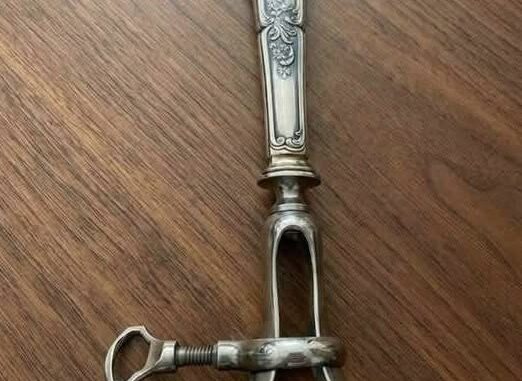
Discovering the Past in Everyday Objects
When sorting through the belongings of family members, especially those from previous generations, what may seem like a routine task can often evolve into a meaningful journey into the past. The drawers, boxes, and shelves of a home often hold more than just items—they contain stories, memories, and connections to the lives of those who came before us.
The Unexpected Finds in Familiar Spaces
Family homes frequently harbor objects that have been quietly preserved over decades. These items might not be valuable antiques or elaborate heirlooms, but they often carry sentimental significance or reflect the daily lives of ancestors. From a faded recipe card tucked away in a cookbook to a simple kitchen tool that no one recognizes, these objects can spark curiosity and invite exploration.
As time passes, many practical household items fall out of common use and lose their original context. Younger family members may find themselves puzzled by tools or gadgets that were once essential for cooking, sewing, gardening, or home maintenance. This natural evolution of technology and lifestyle can make seemingly ordinary objects appear mysterious or obsolete.
The Role of Curiosity in Family Connections
When a previously unnoticed item is discovered, it often becomes a catalyst for family interaction. Questions arise: What was this used for? Who owned it? How did it fit into daily routines? These inquiries encourage conversations that might otherwise never happen, allowing stories and memories to be shared across generations.
Collaborative efforts to identify and understand such objects can involve multiple family members pooling their knowledge and experiences. Older relatives may provide firsthand accounts or recognize the object from past use, while younger members might use online resources, forums, and historical databases to assist in identification. This teamwork not only helps solve the mystery but also strengthens family bonds.
The Value of Everyday Items in Preserving History
While museums focus on grand artifacts and major historical events, much of family history is preserved through the ordinary belongings kept within the home. Items like handwritten grocery lists, worn-out tools, or old photographs offer glimpses into the lifestyles, preferences, and routines of past generations.
Genealogists often emphasize the importance of documenting not just names and dates but also the everyday experiences that shaped family life. Understanding how meals were prepared, what hobbies were enjoyed, and which traditions were celebrated provides a richer and more relatable picture of ancestors.
Technology and Community in Solving Mysteries
The internet has become a valuable tool for families and individuals trying to identify unknown objects. Online communities dedicated to vintage and antique items bring together collectors, historians, and enthusiasts who enjoy sharing knowledge. Posting images and descriptions can lead to quick identification or inspire deeper research.
Such collaborative platforms preserve practical knowledge that might otherwise be lost as older generations pass on. They also demonstrate how modern technology can complement traditional storytelling and memory-sharing within families.
Turning Discoveries Into Lasting Memories
Once an object’s purpose is identified, the discovery often takes on a new dimension. It becomes a starting point for recalling family anecdotes, favorite recipes, holiday customs, or shared activities. These conversations enrich the understanding of relatives’ lives beyond official records.
Some families choose to document these findings by photographing objects, writing notes about their significance, or creating digital archives. This practice ensures that future generations will have access to these stories and be inspired to ask their own questions.
The Importance of Asking and Listening
Many meaningful stories remain untold simply because questions were never asked. Taking the time to inquire about the origins and uses of household items can preserve memories that might otherwise fade. Questions such as who used the item, when it was acquired, and why it was important encourage storytelling and deepen appreciation for family heritage.
Creating New Traditions Through Shared History
Incorporating the discovery of family objects into gatherings or celebrations can foster a sense of continuity and identity. Sharing stories about everyday items highlights the values and experiences passed down through generations and helps keep family history alive in a personal way.
Conclusion: The Quiet Power of Everyday Treasures
The true significance of uncovering an unknown object in a family home often lies not in the object itself but in the connections it inspires. These small treasures serve as tangible links to the past, reminding us that history is woven from countless ordinary moments and routines.
By embracing curiosity, asking questions, and sharing stories, families can preserve their unique heritage and create meaningful memories that endure. In the end, the most valuable discovery is the recognition of the lives behind the objects and the lasting bonds they help to build.
Understanding the Role of Context in Object Identification
Identifying a forgotten household object often requires placing it within the right historical and cultural context. Objects that were commonplace in one era or region may be completely unknown in another. For example, tools used in rural farming communities decades ago may seem unfamiliar to urban family members. Understanding the lifestyle, occupation, or hobbies of the original owner can provide valuable clues. Contextual knowledge helps transform an object from a mere curiosity into a meaningful artifact that reflects the daily realities of past generations.
Preserving Oral Histories Alongside Physical Artifacts
While physical objects provide tangible links to the past, oral histories add depth and personality to those connections. Recording stories, anecdotes, and memories associated with household items ensures that the human experiences behind the objects are not lost. Oral histories capture emotions, relationships, and traditions that often do not survive in written records. Families might consider using audio or video recordings to document elders’ recollections, thereby preserving a richer, multidimensional family heritage.
The Impact of Changing Technology on Household Items
Technological advances continually reshape household tools and practices. Items once considered essential can quickly become obsolete, making them harder for younger generations to recognize. For instance, manual coffee grinders, rotary telephones, or ice cube trays from decades ago may now seem quaint or puzzling. Exploring how technology influenced daily life in the past can help families appreciate the ingenuity and adaptability of their ancestors. It also underscores the importance of preserving these artifacts as evidence of technological evolution.
The Ethics of Keeping or Discarding Family Objects
Deciding which items to keep, donate, or discard can be emotionally complex. While some objects hold clear sentimental value, others may seem less significant but still carry historical importance. Families are encouraged to consider the potential stories and memories tied to each item before making decisions. Consulting multiple family members can help ensure that valuable heritage is preserved. For items donated or sold, documenting their existence and significance beforehand helps maintain a record for future generations.
The Role of Museums and Historical Societies in Family History
Local museums and historical societies often serve as valuable resources for families researching household objects. These institutions collect and preserve artifacts that reflect regional history and culture. Collaborating with professionals in these settings can provide expert identification, historical context, and preservation advice. Additionally, some museums offer programs where families can share their own artifacts and stories, contributing to a broader community understanding of shared heritage.
Incorporating Object Stories Into Education
Sharing family object stories with younger generations through educational activities can foster an early appreciation for history and heritage. Schools, libraries, and community centers may encourage students to bring items from home and research their origins. This process promotes critical thinking, research skills, and intergenerational communication. It also helps children understand that history is not only found in textbooks but also in the personal belongings and experiences of their own families.
Digital Archiving and the Future of Family Treasures
Advancements in digital technology have made it easier than ever to preserve and share family histories. Photographing objects in detail, creating online family archives, or using specialized apps to catalog belongings can safeguard memories against physical loss or damage. Digital archives can include images, descriptions, stories, and even audio or video recordings. Sharing these archives with relatives worldwide fosters ongoing engagement and ensures that knowledge about family treasures remains accessible.
The Psychological Benefits of Connecting With Family History
Engaging with family objects and stories can have positive effects on personal identity and well-being. Understanding one’s roots provides a sense of belonging and continuity. It can also help individuals make sense of their own lives within a larger narrative. For some, uncovering the histories behind household items encourages reflection on values, traditions, and relationships, strengthening emotional bonds within the family.
Encouraging Intergenerational Dialogue Through Shared Research
Researching the history of household objects often prompts conversations between different age groups. Younger family members may bring fresh perspectives and research skills, while older relatives offer lived experience and context. This collaboration fosters mutual respect and learning. By working together, families build stronger connections and create a shared sense of purpose in preserving their heritage.
Recognizing the Limitations of Memory and Documentation
While memories and family stories are invaluable, they can sometimes be incomplete or inaccurate. It is important to approach oral histories and object identification with an open mind and a willingness to verify information through multiple sources. Consulting historical records, expert opinions, and corroborating accounts helps build a more accurate understanding. Recognizing the limitations of memory also encourages ongoing inquiry and preservation efforts.
The Symbolic Power of Everyday Objects
Even the most mundane household items can carry symbolic significance. A well-used kitchen spoon might represent nurturing and family meals. A worn-out pair of gloves could signify hard work and care. These symbolic meanings enrich family narratives and provide emotional resonance. Recognizing this symbolic power encourages families to value objects not only for their physical attributes but also for the feelings and memories they evoke.
Encouraging Mindful Collecting and Preservation
As families continue to accumulate belongings, practicing mindful collecting and preservation helps maintain the integrity of family history. This includes organizing items thoughtfully, using archival-quality materials for storage, and regularly revisiting collections to update documentation. Mindful preservation balances the desire to keep meaningful objects with practical considerations of space and longevity.
Conclusion: Embracing the Legacy of Everyday Treasures
Everyday objects may seem insignificant at first glance, but they often hold the keys to understanding family history, identity, and values. By exploring the stories behind these items with curiosity and care, families create lasting connections across generations. Embracing this legacy encourages ongoing discovery, appreciation, and preservation of the rich tapestry woven from the ordinary moments and objects that define our shared human experience.
The Influence of Cultural Traditions on Household Objects
Household items often carry cultural significance that reflects the heritage and traditions of a family. Objects such as handcrafted textiles, pottery, or utensils may represent regional craftsmanship, religious practices, or social customs. Understanding these cultural contexts enriches the narrative surrounding an object and fosters a deeper appreciation of ancestral backgrounds. Families exploring their possessions might consider researching cultural histories or consulting community elders to uncover these layers of meaning.
The Role of Professional Appraisal and Conservation
While many family treasures are valued for their sentimental importance, some objects may also have historical or monetary worth. In such cases, consulting professional appraisers or conservators can provide accurate information about an item’s origin, condition, and value. Experts can also offer guidance on proper preservation techniques to prevent deterioration. Engaging with professionals helps families make informed decisions about how best to care for and potentially share their heritage items.
Balancing Privacy and Sharing in the Digital Age
As families digitize and share stories and images of their household objects online, it is important to consider privacy and consent. Sensitive or personal items may reveal information that some relatives prefer to keep private. Establishing family agreements on what to share and how to protect personal data ensures respect for individual boundaries while still preserving and celebrating shared history. Thoughtful digital curation promotes responsible stewardship of family memories.
Inspiring Creativity Through Family Artifacts
Discovering and learning about household objects can serve as a source of inspiration for creative projects. Some families use their ancestral items as motifs in artwork, storytelling, or craft activities. This engagement not only honors the past but also allows newer generations to express their connection to family history in unique ways. Creative interpretations can keep traditions alive and foster a dynamic relationship with heritage.
Lessons in Sustainability and Resourcefulness
Examining older household objects often reveals a history of resourcefulness and sustainable living. Many items were designed for long-term use, repair, and multifunctionality, contrasting with today’s disposable culture. Reflecting on these practices can encourage families to adopt more sustainable habits and value the longevity and care of their possessions. This perspective connects past wisdom with present environmental awareness.
Supporting Emotional Well-being Through Connection
Engaging with family objects and stories can provide emotional comfort and a sense of grounding during times of change or loss. Remembering loved ones through their belongings can foster healing and continuity. Mental health professionals sometimes incorporate legacy work into therapy to help individuals strengthen identity and resilience. Families aware of this benefit might intentionally create spaces and moments to honor their shared past.
Encouraging Documentation as a Living Process
Preserving family history through household objects is not a one-time effort but an ongoing process. New discoveries, changing perspectives, and evolving family dynamics mean that documentation should be revisited and updated regularly. Encouraging multiple family members to contribute stories and information keeps the narrative vibrant and inclusive. Viewing heritage preservation as a living tradition supports intergenerational engagement and collective memory building.
Reader Takeaways
By recognizing the multifaceted value of everyday household objects, readers can approach family treasures with greater curiosity and respect. Exploring cultural backgrounds, seeking expert advice, balancing privacy, embracing creativity, learning sustainability, supporting emotional well-being, and maintaining ongoing documentation are all strategies that enhance the experience of connecting with family history. These approaches empower individuals and families to transform ordinary items into meaningful legacies that inform identity and strengthen relationships across time.
Leave a Reply