
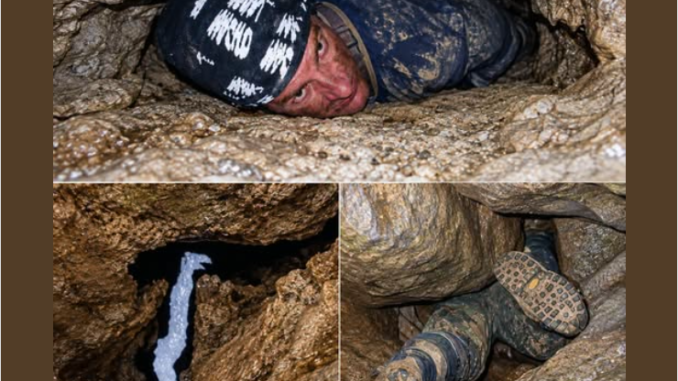
Daniel stayed on stable ground and called emergency services, describing nearby landmarks to guide responders. As he waited, he offered reassurance to the exhausted man without attempting a dangerous approach. When the rescue team arrived, they assessed the slope, prepared ropes and harnesses, and planned a secure route. Worsening weather forced another safety check before they could carefully move the man by stretcher to a safer section of trail.
The man was transported for medical evaluation, receiving care for dehydration, exhaustion, and injuries. Daniel had never set out to become part of a rescue, and he did not claim to be a hero afterward. His contribution was quieter: he noticed, stopped, and summoned people equipped to help. The outcome depended on that first call and the rescuers’ patient teamwork. On difficult terrain, helping someone does not always mean moving closer. Sometimes, it means recognizing danger and knowing whom to call.
Leave a Reply