
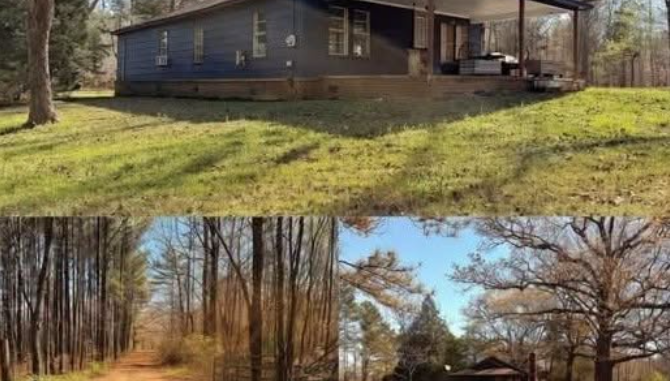
There is something special about an old farmhouse that a newly built home often cannot reproduce. The worn wooden floors, hand-built details, large porches, aging beams, and surrounding land can tell a story that has developed over generations.
Restoring one of these properties is about much more than repairing an old building. It is a process of discovering what made the home special in the first place while finding ways to make it comfortable and practical for modern life.
For many homeowners, the appeal comes from the opportunity to preserve a piece of history while creating a place where new memories can be made.
Why Historic Farmhouses Are So Appealing
Farmhouses were generally designed around practicality. Large kitchens, generous porches, storage areas, barns, sheds, gardens, and open land were often important parts of everyday life.
Their construction also reflects the materials and craftsmanship available when they were built. Hardwood floors, traditional trim, masonry fireplaces, exposed beams, and individually crafted doors or windows can give an older property a distinctive character.
Even imperfections can become part of the home’s personality.
A faded section of wood, an uneven floor, or an old doorway may reveal something about how the property was used decades ago. Instead of removing every sign of age, a thoughtful restoration often aims to protect the features that give the home its identity.
The First Step: Understanding What Needs to Be Done
Before beginning a restoration, a detailed inspection is essential.
An attractive exterior can sometimes hide significant problems. Older properties may require attention to the roof, foundation, drainage, plumbing, electrical wiring, insulation, windows, or structural supports.
A professional inspection can help identify issues that are not immediately visible.
It is also important to create a realistic renovation plan. Some projects can be completed gradually, while others may require major work before the home is suitable for everyday living.
Understanding the property’s condition early can help homeowners establish priorities and avoid unnecessary surprises later.
Preserving the Character of the Home
One of the biggest decisions during a farmhouse restoration is determining what should be preserved and what should be replaced.
Modernizing every room may make the house more convenient, but removing too many original features can also erase the character that made the property attractive in the first place.
Original doors, woodwork, flooring, fireplaces, staircases, beams, and other architectural details may be worth restoring when their condition allows.
At the same time, safety should remain a priority. Old electrical systems, damaged structural components, deteriorating roofs, or outdated plumbing should not be preserved simply because they are old.
The goal is to find a balance between historical character and modern standards.
Bringing the Kitchen Back to Life
The kitchen is often one of the most important areas in a farmhouse.
Older kitchens may have large windows, substantial work surfaces, wood cabinetry, or layouts designed around family gatherings and food preparation.
A restoration does not necessarily require turning the kitchen into a museum. Modern appliances, improved lighting, updated plumbing, and practical storage can be incorporated while maintaining the room’s traditional appearance.
Wood cabinets can sometimes be repaired or refinished instead of replaced. Traditional hardware and appropriately styled fixtures can also help connect modern functionality with the home’s original design.
The result can be a kitchen that feels historic without sacrificing everyday convenience.
Restoring Floors, Walls, and Woodwork
Interior restoration often involves dozens of smaller decisions.
Old wooden floors may need cleaning, repairs, or refinishing. Trim and molding can sometimes be carefully restored rather than removed. Plaster walls may require professional repair where cracks or damage have developed over time.
Paint choices can also influence the atmosphere of an older farmhouse.
Soft, traditional tones can complement original materials, while carefully selected lighting can highlight architectural details without making the space feel outdated.
The objective is not to make every surface look brand new. Instead, restoration can preserve the visual character of the property while improving its condition.
The Land Is Part of the Story
A farmhouse cannot always be separated from the land surrounding it.
Gardens, mature trees, old fences, barns, sheds, stone paths, and fields may all contribute to the property’s identity.
Restoring these outdoor elements can make the entire property feel more connected.
A garden might provide vegetables and herbs, while fruit trees can add both beauty and practical value. Native plants can also help support local wildlife and reduce the need for intensive maintenance.
Older outbuildings may require repairs as well. A barn or shed can sometimes be repurposed for storage, workshops, hobbies, or other practical uses.
The Unexpected Challenges
Restoration rarely goes exactly according to plan.
Once walls, floors, or ceilings are opened, homeowners may discover problems that were previously hidden. A damaged support, moisture issue, outdated wiring, or deteriorated material can change the schedule and budget.
Older windows may require specialized repairs. Uneven floors may be related to decades of settling. Previous renovations may also have altered parts of the original structure.
These discoveries can be frustrating, but they are also an important part of understanding the building.
Experienced contractors and specialists familiar with older homes can help determine which features should be repaired, replaced, or carefully preserved.
Making an Old Farmhouse More Energy Efficient
Historic character and modern efficiency do not necessarily have to conflict.
There are many ways to improve a farmhouse’s comfort while respecting its original design.
Insulation can reduce heat loss, while efficient heating and cooling systems can improve year-round comfort. Drafty areas around doors and windows can often be addressed without completely changing their appearance.
Energy-efficient lighting and appliances can also reduce household energy use.
For some properties, homeowners may consider solar panels, rainwater collection, or other sustainability measures. However, these additions should be planned carefully so they work with the property’s architecture and local requirements.
The best improvements are often those that remain relatively unobtrusive while making the home more comfortable and efficient.
Creating a Home for a New Generation
Perhaps the most rewarding part of restoring an old farmhouse is seeing the property become useful again.
A house that once served one generation of families can eventually become a place for another family to gather, celebrate holidays, grow food, enjoy the outdoors, or simply spend time together.
Old rooms can receive new purposes. A former storage area might become an office. A neglected outbuilding could become a workshop. A large porch can become a gathering place during warm evenings.
In this way, restoration does not freeze a property in the past.
Instead, it allows the past and present to exist together.
Restoration Is About More Than Construction
For many people, working on an old farmhouse becomes a deeply personal experience.
Family members may work together on smaller projects. Neighbors may remember previous owners or share stories about the property. Old photographs and architectural details can reveal pieces of the home’s history.
Every improvement can add another chapter to that story.
The process may take months or even years, particularly when restoration is completed gradually. But the finished property can offer something that extends beyond its physical appearance: a connection between previous generations and the people who live there today.
A Long-Term Investment in Character
Restoring a classic farmhouse requires planning, patience, and realistic expectations.
The work may involve structural repairs, modernization, landscaping, preservation, and countless smaller decisions. Some improvements will be visible immediately, while others will remain hidden behind walls or beneath floors.
But when done thoughtfully, restoration can protect architectural character while creating a comfortable home for the future.
An old farmhouse does not need to look untouched to remain historic. It can evolve while still retaining the details that make it unique.
Ultimately, restoring such a property is about giving an old structure another chapter in its story.
The goal is not simply to make an aging house look new. It is to understand what makes the property special, protect what deserves to remain, improve what needs attention, and create a home where its history can continue alongside a new generation of memories.
Leave a Reply