
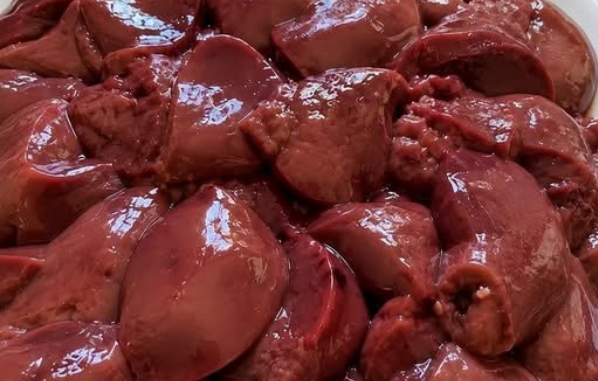
Chicken liver is one of the most nutrient-dense foods available. It provides high amounts of vitamin A, vitamin B12, iron, folate, and other important nutrients. For many people, eating it occasionally can be part of a balanced diet.
However, because chicken liver contains concentrated amounts of certain vitamins and minerals, more is not necessarily better. Understanding portion size and how often it is eaten is important, particularly for children, pregnant women, and people who also take vitamin supplements.
Why Is Chicken Liver So Nutrient-Dense?
Unlike many foods that provide small amounts of several nutrients, liver stores nutrients in relatively concentrated amounts.
Chicken liver is particularly rich in vitamin B12, which is important for normal red blood cell formation and nervous-system function. It also provides iron and folate, nutrients that are involved in several essential processes in the body.
It is also an excellent source of preformed vitamin A.
That last point is one reason health professionals generally recommend moderation rather than treating liver as an everyday food.
The Vitamin A Question
Vitamin A is essential for vision, immune function, reproduction, and normal growth. But the body can store preformed vitamin A, meaning excessive intake over time can potentially become a problem.
Chicken liver contains much more preformed vitamin A than most ordinary foods.
This doesn’t mean that eating a normal serving of chicken liver will automatically cause vitamin A toxicity. The concern is mainly associated with very high or frequent intake, particularly when combined with vitamin A supplements or other sources of preformed vitamin A.
Pregnancy Requires Extra Attention
Pregnant women need vitamin A, but excessive amounts of preformed vitamin A can be harmful during pregnancy.
For that reason, pregnancy nutrition guidance commonly advises caution with liver and liver products because of their high vitamin A content.
Anyone who is pregnant or planning a pregnancy should follow advice from their healthcare professional regarding how much liver is appropriate.
What About Children?
Children have different nutritional requirements from adults, and their bodies are smaller.
Because liver is so concentrated in vitamin A and other nutrients, regularly serving large amounts isn’t necessary simply because the food is nutritious.
Small, appropriately sized portions can be incorporated into a varied diet, but parents should also consider other sources of vitamin A and whether a child is taking a multivitamin or other supplement.
When in doubt, a pediatrician or qualified dietitian can provide age-appropriate guidance.
Can Chicken Liver Make You Feel Sick?
Some people may experience digestive discomfort after eating liver, particularly if they eat a large portion or are not accustomed to it.
Symptoms such as nausea, stomach discomfort, or digestive upset can have many possible causes and do not automatically indicate vitamin toxicity.
Persistent or severe symptoms should not simply be blamed on a particular food. A healthcare professional can help determine what may actually be causing them.
Food Safety Matters Too
There is another important consideration when eating chicken liver: proper cooking.
Raw or undercooked poultry and poultry products can carry harmful bacteria. Chicken liver should therefore be handled carefully and cooked thoroughly to reduce the risk of foodborne illness.
Good kitchen hygiene is also important. Wash hands and cooking surfaces after handling raw poultry, and prevent raw juices from coming into contact with ready-to-eat foods.
What About Supplements?
The potential for excessive vitamin A becomes more relevant when several sources are combined.
For example, someone who frequently eats liver while also taking a supplement containing preformed vitamin A may consume substantially more vitamin A than intended.
Not all forms of vitamin A are the same. Beta-carotene from foods such as carrots and sweet potatoes is different from preformed vitamin A found in animal foods and certain supplements.
If you regularly eat liver and take supplements, checking the labels and discussing your intake with a healthcare professional can help you avoid unnecessary excess.
The Bottom Line
Chicken liver isn’t a dangerous food that everyone needs to avoid. It is a highly nutritious food that can provide substantial amounts of several essential nutrients.
The key is moderation.
Because chicken liver is particularly rich in preformed vitamin A, eating very large amounts or consuming it frequently may not be appropriate for everyone. Extra caution is warranted during pregnancy and when children or vitamin supplements are involved.
Rather than focusing on frightening claims about hidden toxicity, it is more useful to understand the nutritional concentration of liver and include it appropriately within an otherwise varied diet.
A nutrient-rich food can still require moderation—and chicken liver is a good example of why a balanced diet is about both what you eat and how much you eat.
Leave a Reply