
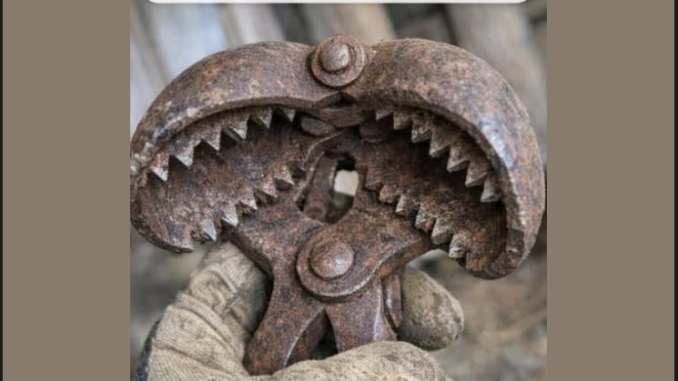
Old agricultural equipment often serves as a tangible connection to the past, revealing insights into the daily lives and work of earlier generations. Among these tools, some stand out for their unique design and specific purpose, reflecting the ingenuity and resourcefulness of farmers before the advent of modern technology. One such tool, the handheld corn sheller, offers a fascinating glimpse into historic farming practices and the evolution of crop processing.
Understanding the Role of Corn in Rural Agriculture
Corn has been a foundational crop for many farming communities around the world, valued not only as a food source but also as feed for livestock and a commodity for trade. Throughout history, successfully harvesting and preparing corn was essential for farm sustainability and economic livelihood. However, the journey from field to storage involved several labor-intensive steps, including the removal of kernels from dried ears—a process known as shelling.
The Evolution of Corn Shelling Methods
Before mechanized equipment became widespread, farmers relied on simple yet effective tools to assist with shelling corn. The handheld corn sheller emerged as a practical solution to ease the otherwise time-consuming and physically demanding task of separating kernels from cobs. This implement typically consisted of two hinged iron or steel jaws fitted with serrated teeth, designed to grip and strip kernels without damaging them. Its design prioritized durability and efficiency, allowing for repeated use season after season.
Leave a Reply