
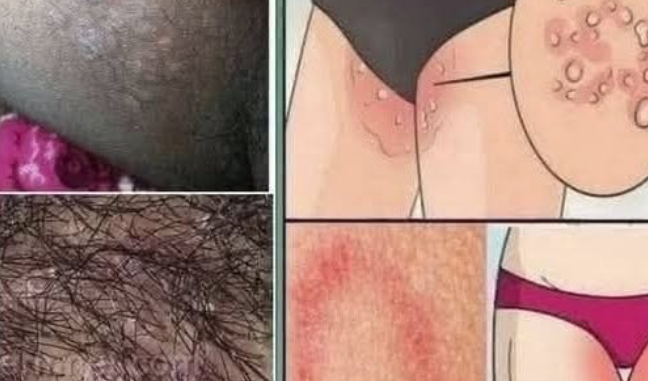
The skin is the body’s largest organ and serves as a dynamic interface between our internal systems and the external environment. Often, it provides valuable visual information about our overall health before more obvious symptoms arise. Recognizing these early signs can empower individuals to make informed decisions about their well-being and seek medical evaluation when necessary.
This article offers a detailed exploration of common skin changes, their potential underlying causes, and practical guidance for monitoring your skin health.
The Skin’s Role in Health Monitoring
The skin functions as a protective barrier, regulates temperature, and aids in sensory perception. Due to its constant exposure to environmental factors and its connection to the body’s internal systems, changes in the skin often mirror shifts in hormonal balance, immune function, nutrition, and circulation.
Observing your skin regularly can reveal subtle variations in texture, color, or sensation that might otherwise go unnoticed. While many skin changes are benign, some warrant closer attention to rule out underlying health issues.
Identifying Common Skin Changes
- New or Changing Bumps and Growths
Bumps can form on the skin for various reasons. These may include benign conditions such as ingrown hairs, which occur when hair curls back into the skin causing small, sometimes tender bumps. Folliculitis, an inflammation of hair follicles often triggered by bacteria or friction, can present as clusters of small pimples.
Skin tags are soft, harmless growths typically found in areas where skin folds or rubs together. Cysts, which are fluid-filled sacs, are usually painless but can become irritated.
Important considerations include changes in size, shape, color, or sensation. Rapid growth, persistent pain, bleeding, or discharge should prompt professional evaluation to ensure accurate diagnosis.
- Persistent Itching and Burning Sensations
Occasional itchiness is common and often temporary. However, persistent itching or burning without visible irritation can indicate underlying issues such as dry skin, allergic reactions, or chronic conditions like eczema. Environmental factors such as exposure to heat, cold, or irritants may also contribute.
When itching interferes with daily activities or sleep, or if the skin develops thickened or darkened areas from scratching, a medical assessment is advisable for appropriate management.
- Variations in Skin Color
Skin tone may change due to multiple factors. Redness can signal inflammation or irritation, while dark patches may arise from sun exposure, hormonal influences, or repeated friction. Paleness or bluish hues might indicate circulatory concerns.
Sudden or uneven changes, particularly when accompanied by other symptoms, should be monitored closely. Consistent patterns and persistence are key indicators for further investigation.
- Dryness, Flaking, and Texture Alterations
Dry skin is a frequent complaint, exacerbated by climate, frequent washing, or certain skincare products. Persistent dryness accompanied by cracking, bleeding, or thick scaly patches may suggest conditions such as psoriasis or nutritional deficiencies.
When skin does not improve with standard moisturizing or becomes increasingly uncomfortable, consulting a healthcare provider can help identify underlying causes and appropriate treatments.
- Increased Sensitivity or Pain
Unexplained sensitivity to touch, temperature, or topical products can reflect irritation, allergic reactions, or nerve involvement. Sudden onset or widespread sensitivity deserves attention to rule out inflammatory or neurological conditions.
- Delayed Healing and Recurrent Irritation
The skin’s ability to heal is vital. Slow healing of cuts, sores, or frequent irritation in the same area may point to circulatory issues, immune system changes, or repeated mechanical stress. Monitoring healing times and patterns contributes to early detection of potential concerns.
- Monitoring Moles and Pigmented Areas
Moles are common and mostly harmless. However, changes in their appearance should be carefully observed. The ABCDE criteria provide a useful framework:
- Asymmetry: uneven halves
- Border: irregular edges
- Color: multiple or uneven shades
- Diameter: larger than 6 millimeters
- Evolving: changes over time
Any mole exhibiting these features should be evaluated by a dermatologist to exclude malignancy.
- Skin Responses to Stress
Stress can have a noticeable impact on the skin, triggering breakouts, increased sensitivity, or flare-ups of existing conditions like psoriasis or eczema. Managing stress through relaxation techniques, adequate rest, and hydration can improve skin-related symptoms.
- The Influence of Lifestyle and Environment
Daily habits significantly affect skin health. Clothing materials, personal care products, and exposure to pollutants or allergens can contribute to irritation or allergic reactions. Simple adjustments, such as choosing breathable fabrics or hypoallergenic products, often improve skin comfort.
- When to Consult a Healthcare Professional
While many skin changes are harmless, certain signs warrant professional evaluation:
- Symptoms that persist or worsen
- Unexplained pain, bleeding, or discharge
- Rapid or unusual changes in appearance
- Skin issues accompanied by systemic symptoms
Early consultation helps clarify the cause, guides treatment, and provides reassurance.
Developing Skin Awareness Without Excessive Concern
Being attentive to your skin does not mean becoming anxious about every change. Instead, it involves understanding your normal skin patterns, recognizing significant variations, and responding appropriately.
Regular self-examinations can help you become familiar with your skin’s typical appearance and texture. This practice enables timely recognition of new or changing spots, areas of discomfort, or recurring issues.
Supporting Skin Health Holistically
Healthy skin reflects overall well-being. Key factors include:
- Adequate hydration
- Balanced nutrition rich in vitamins and minerals
- Sufficient sleep
- Effective stress management
Taking care of your general health supports the skin’s function and resilience.
Integrating Skin Observations into Broader Health Awareness
Skin changes often coincide with other bodily signals such as fatigue or mood shifts. Viewing these signs collectively rather than in isolation can provide a more comprehensive understanding of health status.
Conclusion
Your skin is a valuable source of information about your body’s internal and external environment. By paying close attention to its subtle messages, you can detect early signs of changes that might affect your health. While not every alteration is cause for concern, maintaining awareness and seeking professional advice when necessary supports better health outcomes and peace of mind.
Remember, your skin communicates continuously. Listening carefully to its cues is an important step in proactive self-care.
Understanding the Impact of Aging on Skin Health
As we age, our skin naturally undergoes various changes that can affect its appearance and function. These changes are influenced by intrinsic factors, such as genetics and hormonal shifts, as well as extrinsic factors, including sun exposure and lifestyle choices. Recognizing the normal aging process helps differentiate between typical skin changes and those that may require medical attention.
Common age-related skin changes include thinning of the skin, decreased elasticity, the formation of fine lines and wrinkles, and the appearance of age spots or lentigines. The skin’s ability to retain moisture diminishes over time, often leading to dryness and increased fragility. Additionally, the rate of cell turnover slows, which can affect healing and the overall texture of the skin.
While these changes are expected, they underscore the importance of maintaining a tailored skin care regimen and protecting the skin from environmental stressors. Regular use of sunscreen, gentle cleansing, and adequate moisturization are foundational practices that support skin health throughout the aging process.
Environmental Factors and Their Influence on Skin
The environment plays a significant role in skin condition and health. Prolonged exposure to ultraviolet (UV) radiation from the sun is one of the most impactful environmental factors, contributing to premature aging, pigmentation changes, and increasing the risk of skin cancers.
Other environmental contributors include air pollution, which can introduce free radicals that damage skin cells and accelerate aging, and climatic conditions such as humidity and temperature extremes that may trigger dryness or exacerbate existing skin conditions.
Understanding these influences encourages proactive measures such as wearing protective clothing, applying broad-spectrum sunscreen daily, and adopting antioxidant-rich skincare products that may help neutralize environmental damage.
Nutrition and Its Role in Skin Health
Nutrition significantly affects skin integrity and appearance. Essential nutrients support skin cell regeneration, collagen production, and the maintenance of the skin barrier.
Key nutrients include vitamins A, C, and E, which have antioxidant properties; zinc, important for wound healing; and omega-3 fatty acids, which help maintain skin hydration and reduce inflammation. A diet rich in fruits, vegetables, whole grains, lean proteins, and healthy fats provides these vital components.
Conversely, excessive consumption of processed foods, sugars, and unhealthy fats may contribute to inflammation and skin disorders. Hydration is equally critical; water supports the skin’s moisture balance and assists in the removal of toxins.
While supplements can be beneficial in cases of deficiency, they should complement, not replace, a balanced diet. Consultation with healthcare professionals can guide individualized nutritional strategies to support skin health.
Understanding Skin Microbiome and Its Importance
The skin microbiome consists of diverse microorganisms, including bacteria, fungi, and viruses, that live on the skin’s surface. This ecosystem plays a crucial role in protecting against pathogens, modulating immune responses, and maintaining the skin barrier.
Disruptions to the microbiome, caused by factors such as excessive cleansing, antibiotic use, or environmental changes, can lead to skin issues like acne, eczema, or infections.
Maintaining a healthy skin microbiome involves gentle skincare practices, avoiding harsh chemicals, and using products formulated to support microbial balance. Emerging research continues to explore the potential of probiotics and prebiotics in skincare to enhance microbiome health.
The Psychological and Social Aspects of Skin Health
Skin conditions can impact psychological well-being and social interactions. Visible changes or discomfort may lead to self-consciousness, stress, or reduced quality of life.
Awareness of this connection emphasizes the importance of holistic care approaches that address both physical and emotional aspects. Seeking support from healthcare providers, counselors, or support groups can be beneficial for individuals coping with chronic or visible skin conditions.
Furthermore, educating oneself about the nature of skin changes can reduce stigma and promote understanding, fostering a supportive environment for those affected.
The Role of Technology in Skin Health Monitoring
Advancements in technology have introduced new tools for skin health monitoring and assessment. Smartphone applications, digital dermatoscopes, and artificial intelligence algorithms can assist in tracking skin changes over time and identifying suspicious lesions.
While these tools offer convenience and early detection potential, they are not substitutes for professional medical evaluation. Users should approach such technologies as supplementary resources and consult healthcare providers for comprehensive assessments and diagnoses.
Media Literacy and Evaluating Skin Health Information
In the digital age, information about skin health is widely accessible, but not all sources are equally reliable. It is important to critically evaluate the credibility of information by considering the source, evidence basis, and potential biases.
Reputable sources include peer-reviewed journals, established medical organizations, and certified healthcare professionals. Skepticism toward sensationalized claims or miracle cures is warranted.
Developing media literacy skills empowers individuals to make informed decisions, avoid misinformation, and engage in meaningful discussions with healthcare providers.
Preventative Skin Care Practices
Prevention is a key component of maintaining healthy skin. Protective measures include regular use of sunscreen with adequate SPF, avoiding excessive sun exposure especially during peak hours, and wearing protective clothing and hats.
Routine cleansing with mild products preserves the skin barrier without stripping natural oils. Regular moisturizing helps maintain hydration and elasticity.
Avoiding smoking and managing stress also contribute to skin health, as these factors can accelerate aging and exacerbate skin conditions.
Regular Skin Examinations and Documentation
Conducting regular self-examinations of the skin can facilitate early detection of changes. Using consistent lighting and a mirror or assistance from family members helps in examining hard-to-see areas.
Keeping a journal or photographic record of moles, spots, and other skin features can assist in tracking changes over time. This documentation is valuable during medical consultations.
Healthcare providers may recommend annual skin checks, especially for individuals with risk factors such as a history of sunburns, fair skin, or family history of skin cancer.
Understanding Limitations and When to Seek Second Opinions
Medical evaluations of skin conditions can sometimes yield uncertain or inconclusive results. It is reasonable to seek a second opinion if symptoms persist, worsen, or if there is doubt about diagnosis or treatment plans.
Open communication with healthcare providers, asking questions, and discussing concerns contributes to better outcomes and patient satisfaction.
Patient advocacy and self-education are important aspects of navigating skin health effectively.
The Legacy of Skin Health Awareness
Historically, skin has been recognized as a window to internal health across various cultures and medical traditions. Modern dermatology builds on this legacy by combining clinical expertise with scientific advances to improve diagnosis and treatment.
Continuing education, public health initiatives, and research contribute to evolving understanding and better management of skin conditions.
Promoting awareness about the significance of skin signals fosters proactive health behaviors and supports community well-being.
Reader Takeaways
- Pay attention to your skin regularly to recognize normal patterns and identify meaningful changes.
- Understand that many skin changes are benign, but some require medical evaluation.
- Adopt preventive skincare practices including sun protection and gentle cleansing.
- Maintain a balanced diet, adequate hydration, and manage stress to support skin health.
- Utilize technology and trustworthy information sources wisely.
- Seek professional advice when uncertain or when skin changes persist.
- Remember that skin health is interconnected with overall physical and psychological well-being.
By integrating these principles, individuals can enhance their ability to listen to their skin’s messages and respond in ways that promote long-term health and confidence.
Leave a Reply